
Let the Green Thrive: What Democracy Means for our Environment
By Muhammad Sheriffdeen
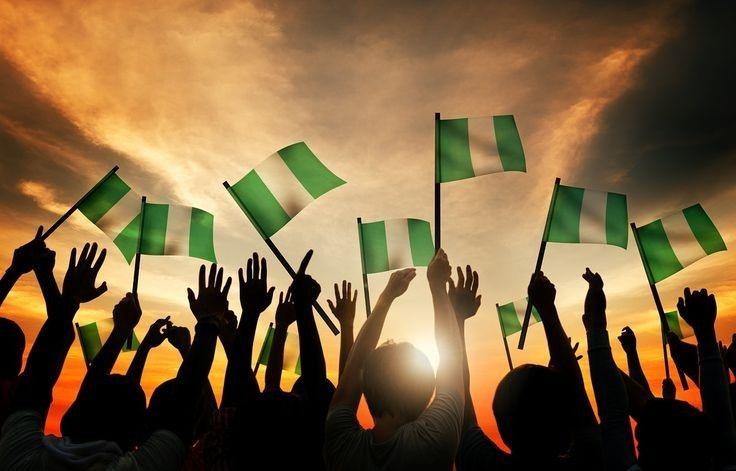
When young Michael Taiwo Akinkunmi designed the Nigerian flag in 1959, he chose the colour green to represent the country’s lush vegetation and rich agricultural potential. It was a hopeful choice, a vision of a land where the earth provided abundantly, the rivers flowed cleanly, and the forests stood tall and unbroken. That green, alongside white, symbolised peace and prosperity rooted in the land itself.
This year, as we commemorate Democracy Day, we are reminded that the vision symbolised by that green stripe must be protected not only by policy but also by the power of the people. Democracy is about more than elections. It is about participation, transparency, accountability, and the right of every citizen to have a say in the future of their country, including the health of their environment.
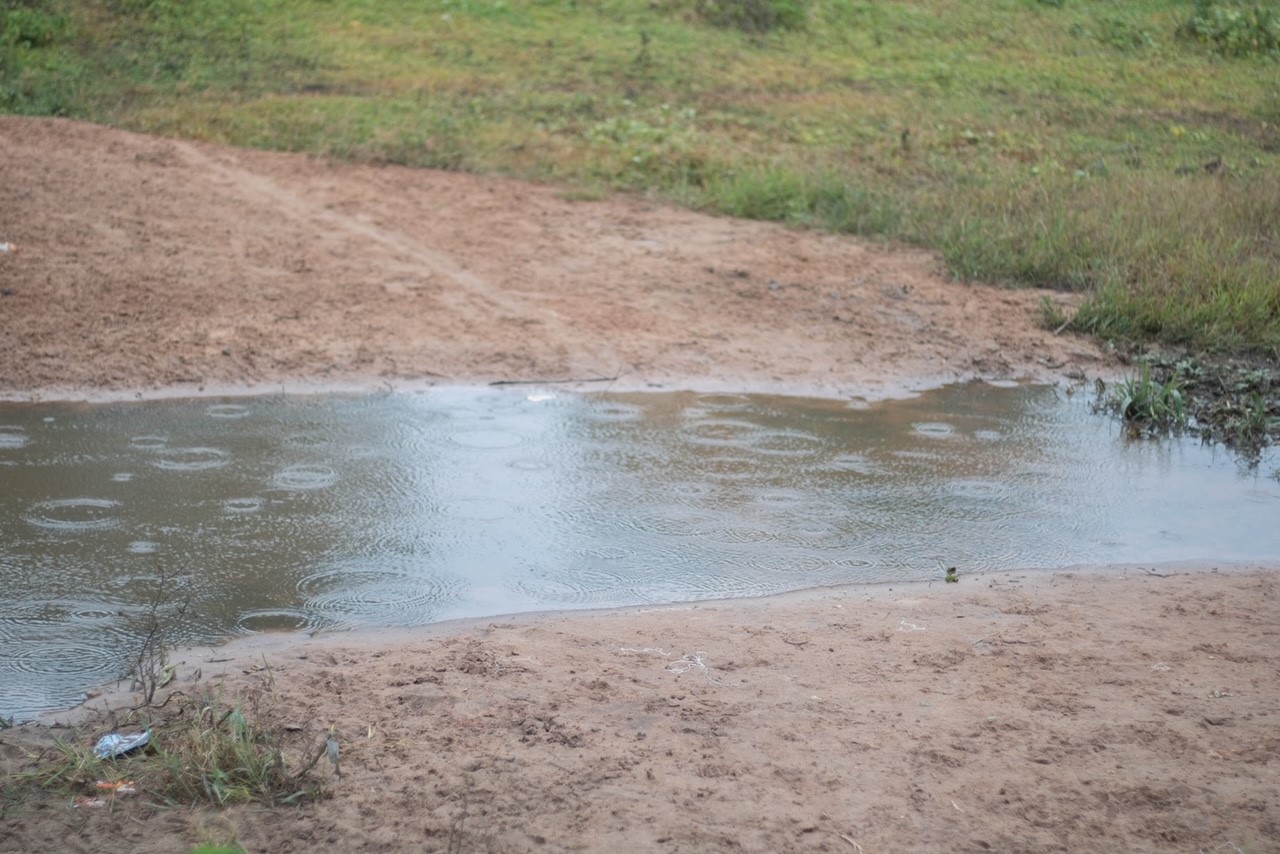
In a functioning democracy, people have the right and responsibility to speak out when their environment is under threat. They can demand clean water, safe air, healthy food systems, and protection of forests and wetlands. Without public involvement and citizen-led oversight, environmental degradation happens more easily and is often allowed to continue unchecked.
A clear example of this is the case of the Ogoni people in the Niger Delta, who endured years of devastating oil pollution with little government response. Through collective mobilisation, community advocacy, and legal activism, they brought their plight to international attention. This led to the UNEP Environmental Assessment of Ogoniland and eventually to the establishment of the Hydrocarbon Pollution Remediation Project, known as HYPREP. While progress has been slow, the fact that the issue moved from silence to the national and global stage is a testament to the role of democratic voice and visibility.
In Lagos, similar civic energy has helped challenge forced evictions in waterfront communities like Otodogbame. When the government attempted to demolish informal settlements, civil society organisations and community members protested and took legal action. The Lagos State High Court ruled in favour of the residents, affirming their constitutional rights. Although enforcement remains inconsistent and many displaced residents still suffer, these legal victories show how democratic mechanisms can support environmental justice and the rights of the vulnerable.
Yet, Nigeria continues to face growing environmental threats such as desertification, flooding, deforestation, pollution, and the worsening impacts of climate change. These challenges often affect the poorest communities the most. Unfortunately, many of these same communities are excluded from planning and decision-making processes. This is where democracy can and must do more. A true democracy does not stop at the ballot box. It must extend to town halls, courtrooms, schoolrooms, farmland, and forests, wherever citizens are affected by decisions.
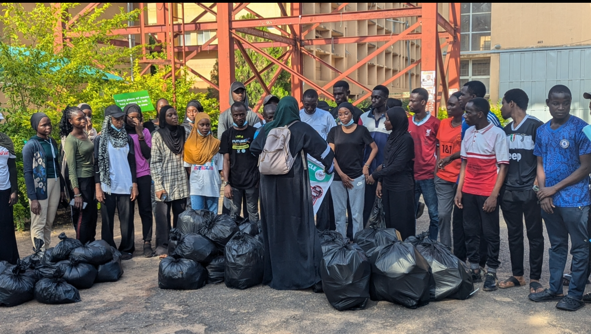
As we celebrate our Democracy, we must recognise that environmental protection is not just a scientific or technical responsibility. It is a civic duty. It requires government accountability and public involvement. Citizens must ask questions, demand better, and propose solutions. Government must listen, include, and act in the interest of both people and planet.
The green on our national flag must represent more than just a memory of our past potential. It should reflect our living commitment to a sustainable future, where democracy is not only a tool for governance but also a shield for our environment.
Let democracy work for our environment, and let our environment benefit from the strength of our democracy.