
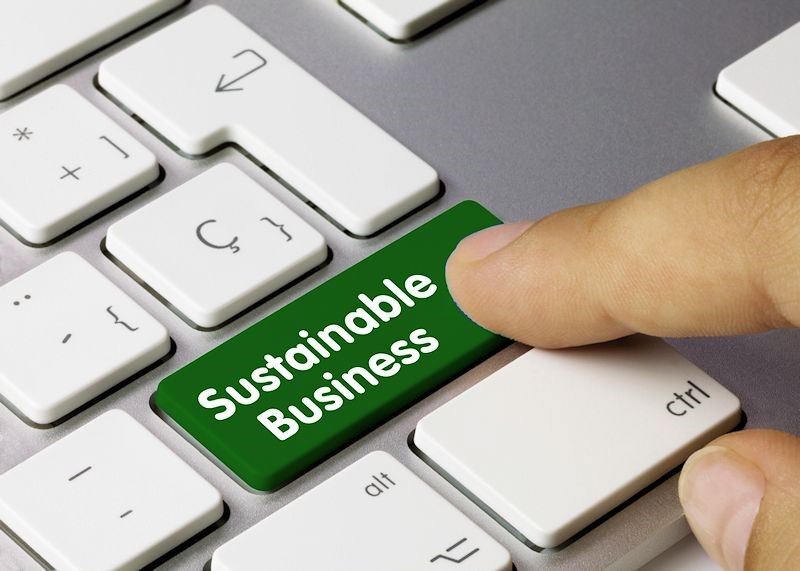
The modern world is challenged by growing demands for energy resources to mitigate dynamic issues and solve diverse problems. In the quest to find solutions, different concepts and ideas have and are being developed among which is the “eco-business”. The notion of “eco-business” is not entirely a new one. As a concept, it is defined as a venture that offers/produces minimal negative impacts on the environment and economy of a society, community or country. This covers areas of business ranging from the production to the service industries of an economy.
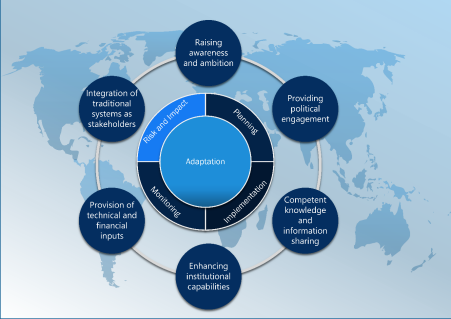
(Source: http://teamgemini.us/the-importance-of-sustainability-as-a-core-business-value/)
The pursuits of environmental consciousness in human economic activities have created a new channel of income generation in the global economic scene. Many nations have since adopted the practice in the interest of natural resource preservation and effective exploitation.
With rapid advancements in scientific methods and techniques, ventures in waste management, renewable energy, monitoring pollution and emission control have become increasingly profitable. This is evident by the surge in the number of environmentally oriented businesses in the developed world.
The state of eco-businesses in Nigeria
Nigeria has not yet achieved significant strides in injecting Eco-business money into the economy primarily due to lack of information on the financial viability and the wealth creation potential of eco-friendly ventures.
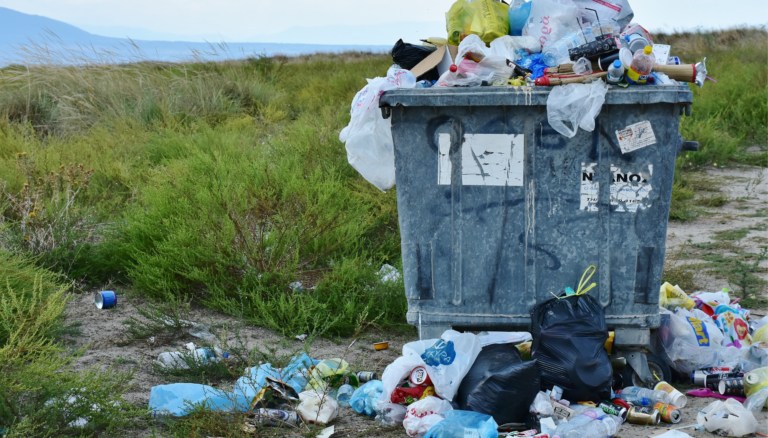
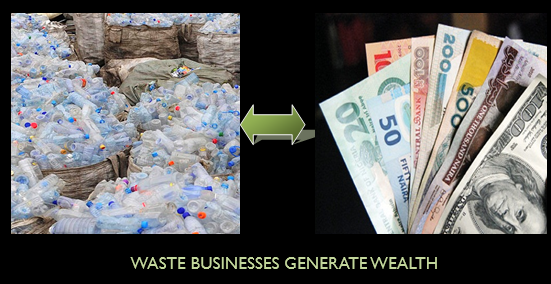
The potential for wealth generation through waste management is greatly underestimated. Waste management ventures are currently driven by the public sector which has hindered its development due to the attitude of government officials across all sectors of the civil service. Privatization of waste management ventures has not yet covered all aspects of the waste value chain. Consequently, waste management begins with waste collection and terminates with general dumping.
 There is however some noticeable progress in the growth and development of solar renewable energy ventures within the last decade though the concentration of investments and businesses in the solar renewable energy industry has been in supply, installation and maintenance. The sight of solar-powered streetlights, solar roofs atop houses and communication stations in major cities shows the extent of solar energy applications. Resolved in “changing the status quo”.
Potentials for economic diversification
According to Lagos Waste Management Authority (LAWMA) (here), Lagos State in southern Nigeria produces municipal solid waste at the rate of 10,000 Metric Tonnes Per Day (MTPD).
A university in Malaysia (here) conducted another research which revealed that waste generation in Nigeria’s major states is at a high rate with Kano State producing more than 5,000 Metric Tonnes Per Day (MTPD) in Northern Nigeria.
Across all major cities, waste generation was estimated at values between 440grams to 660grams per person per day in 2013 (here). It is further estimated that the population of Lagos State which was 18 million in 2013 increased at the rate of 8 percent per year. Overall, the fact that Nigeria is experiencing population growth despite its economic state creates a positive forecast for waste generation.
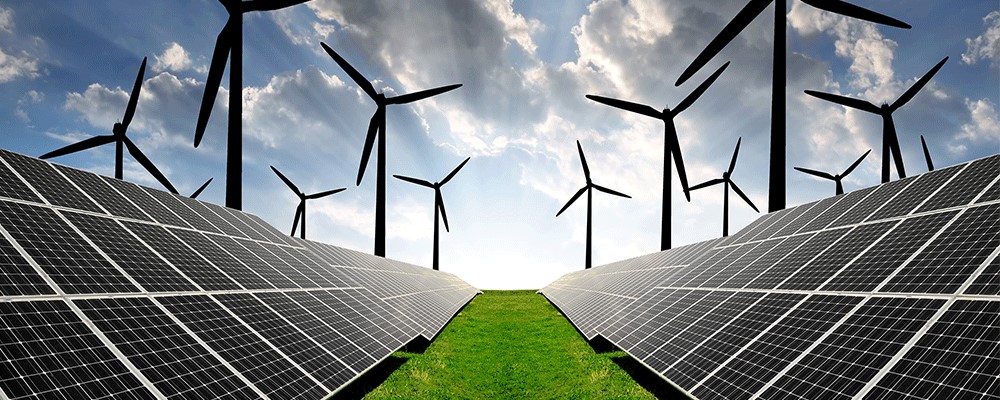
Nigeria is blessed with abundant solar radiation, wind speeds, waterfalls, and geothermal energy among other renewable energy sources.
Solar energy is by far the most convenient renewable energy source to exploit within the shortest time for the highest economic impact in Nigeria. Studies conducted in Ahmadu Bello University, Zaria have estimated Nigeria’s solar energy potential at nearly 480 Million Megawatt hours per day (MMWh/day) using 0.1% of her total land area. Currently, solar energy production is less than 0.01(MMWh/day). (here)
The sustainable exploitation of all these energy sources will not only generate wealth internally but also provide means for external revenue through electricity exports to neighboring countries.
(Source: http://www.nigeriaelectricityhub.com/2016/08/31/usaid-power-africa-org-japan-form-alliance-to-provide-renewable-energy-access-in-africa/)
Changing the Status Quo
To improve waste management practices and create sustainable waste processing businesses, there needs to be a change in the perception of waste as a valueless and repulsive commodity to one that projects its immense economic value. That should result in a new approach to waste collection, processing, disposal and effective treatment.
Waste collection processes should include sorting of waste at collection points to minimize cost of processing through the use of differentiated waste bins. Waste processing should address the most harmful non-biodegradable waste types such as plastics, metals and rubber which have severe long term effects on the environment if unattended.
There’s need for effective landfill design for all major waste categories i.e. industrial waste, hazardous and non-hazardous municipal solid wastes. Waste treatment plants require serious funding which can be sourced by amending policies to aid foreign direct investments and partnerships in setting up such plants. This can be achieved through organization of awareness campaigns, training workshops and seminars, funding of local startups and added incentives by the relevant stakeholders in both public and private sectors.
The national demand for electricity is a strong motivator for investments in renewable energy and incentives in tax exemptions and import waivers from the government make renewable energy ventures even more attractive. While these efforts are recognized, public/private partnerships in the manufacturing of solar panels, wind and tidal wave turbines, industrial and residential voltage converters and energy storage systems such as batteries and fuel cells will boost the productivity of our renewable energy industry.
Nigeria must continue the unending struggle to develop and boost its economy. It would position the country as a continental leader if it would grow in a resource conscious and sustainable way. What better way is there to grow in today’s world?!
Written by Adam.
 Adamu Abdullahi is a contributor at Green Habitat Initiative. A master’s degree holder in Environmental Engineering from Warsaw University of Technology in Poland. He is interested in renewable energy, environmental solutions and innovative technologies for sustainable development.
Follow him on twitter @assyrianliege