
While change begins with one person, a human cannot change the world alone. It takes more than just one pair of hands and a single brain to make a significant difference. The world population has been compounding over the years, meaning that resources are getting stretched with every additional person.
The climate is also taking a hit, with issues like global warming and the depletion of the ozone layer emerging. To mitigate this hurdle, sustainable communities have emerged where humans pool together their human and intellectual resources to enhance their well-being and that of the environment for the present and future generations.
How Exactly Do Sustainable Communities Work?
Besides environmental conservation, a sustainable community seeks to achieve harmony between economic and social factors. The concept revolves around the idea of providing a warm, safe, and welcoming seat at the table for people from different backgrounds and varying perspectives. Everybody is entitled to a say in the governance and decision-making process.
The goal is to manage human, natural, and financial capital to meet current needs while ensuring there are enough resources left to adequately sustain future generations. These needs are essentially universal, meaning that they are needs that every human desires. The most basic of them include a proper house, nourishing food, access to clean water, fresh air, a sense of belonging, a safe and healthy environment to bring up children, a voice on decisions that affect their lives, and lifelong learning. One way to adequately provide and sustain these needs is through ecovillages.
What are Ecovillages?
Ecovillages are arguably the SI unit of sustainable communities – it is where it all starts. They are intentional communities built to realise the goals of a sustainable community through environmental conservation, participatory governance, a sense of belonging, cultural diversity, and social equity.
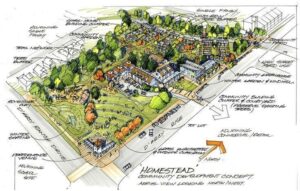
Figure 1: Conceptual Design of an Ecovillage.
While ecovillages have existed for almost a century, the concept first emerged in the 1960s and 1970s; several families in Europe and the United States would come together and collectively work to create better-quality lives.
However, the term ‘ecovillage’ was first used in the 1990s, and the concept became globally popular after the first ecovillage conference in Scotland (1995), which led to the founding of the Global Ecovillage Network (GEN). Since then, a plethora of thriving ecovillages have emerged all over the world.
Thriving Ecovillages Around the World
The Lammas Ecovillage
Located in Wales, the Lammas Ecovillage is the first of its kind in the country. It was established in 2009 and operates on the principles of renewable energy systems, eco-friendly buildings, small-scale eco holdings, and permaculture-based land management practices.
Earthaven Ecovillage
The people living in this ecovillage, founded in 1994, prioritise community-based governance structures, organic farming, natural buildings, and renewable energy. It is situated on 329 acres of land in North Carolina and offers educational programs on community building, permaculture, and sustainability.

Figure 2: A Natural Building in Earthaven Ecovillage.
Sieben Linden Ecovillage
Sitting on 222 acres of land, Sieben Linden is a thriving ecovillage in the Saxony-Anhalt area of Germany. Its inhabitants came together in 1997 to form a community that is committed to ecological design, community living, and sustainability.
Bafut Ecovillage
Bafut is a Cameroonian ecovillage founded in 2013. Its primary goals are connecting younger members to their roots, reviving traditional farming techniques, and promoting sustainable lifestyles. The ecovillage’s operating principles are transparency and openness, with the aim of creating and sustaining a peace village. It also applies Permaculture networks to promote peer-to-peer learning.
Khonoma, India
The Khonoma ecovillage in Nagaland, India, is home to a 700-year-old settlement of the Angami people. It prides itself on being the first green village in India and is thus known for its stunning and serene landscape. More than providing a community for the people, the village is big on environmental conservation and practises water management techniques and eco-tourism, where hunting wildlife is highly forbidden. The people also practise a form of shifting cultivation called jhum, which protects the soil from within.
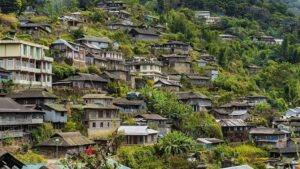
Figure 3: Khonoma Green Village, Nagaland.
It is worth noting that most of these ecovillages operate on a somewhat communist ideology where there is collective ownership of some assets. For instance, residents of the Dancing Rabbit Ecovillage in Missouri have a shared private car service from which any member can access a car to get around. At the Ecovillage at Ithaca (New York), residents enjoy weekly community dinners, and they all contribute to maintenance work on their shared spaces.
Emerging Trends in Sustainable Communities
In the modern world, things tend to evolve quickly. Climate changes, technological advancement, economic changes, wars, and world epidemics call for proactive energy in all communities. The following are emerging trends in sustainable communities designed to keep up with current matters.
Smart Cities
Essentially, smart cities leverage technology to improve members’ quality of life. The major aspect of a smart city is robust digital infrastructure such as fast internet connectivity, communication systems, and sensor networks. Smart cities also prioritise sustainable transportation systems such as electric vehicles, bike-sharing programs and efficient public transportation to alleviate congestion and reduce emissions. What’s more, they promote environmental sustainability through initiatives like green building and urban green spaces.
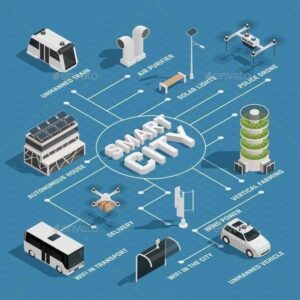
Figure 4: Smart City Technology Isometric.
Circular Economies
These are economies that are designed to minimise waste by applying the principle of reusing and recycling waste. Contrary to the traditional take-make-dispose model, a circular economy creates a sustainable approach to production and consumption. It promotes a closed-loop system where materials are circulated within the economy instead of being discarded. For this reason, products are designed with durability and longevity in mind.
Regenerative Development
Regenerative development focuses on restoring and renewing ecosystems by applying design principles that mimic natural systems to create built environments. Restoring natural ecosystems involves practices such as soil regeneration and reforestation. This trend preserves cultural heritage by recognising the importance of cultural identity, traditional practices, and indigenous knowledge.
Final Thoughts
With the current state of the climate, it is imperative for humans to be at the forefront of taking sustainable steps to enhance quality of life. Sustainable communities achieve this quest by creating harmony between social, economic, and environmental factors. Governments and social groups around the world should pick up and encourage this practice in their communities. There will be less carbon footprint in the atmosphere, more resilience to climate change, better use of resources, and enhanced community cohesion.
Written by Christine Nindi