


See The Resources
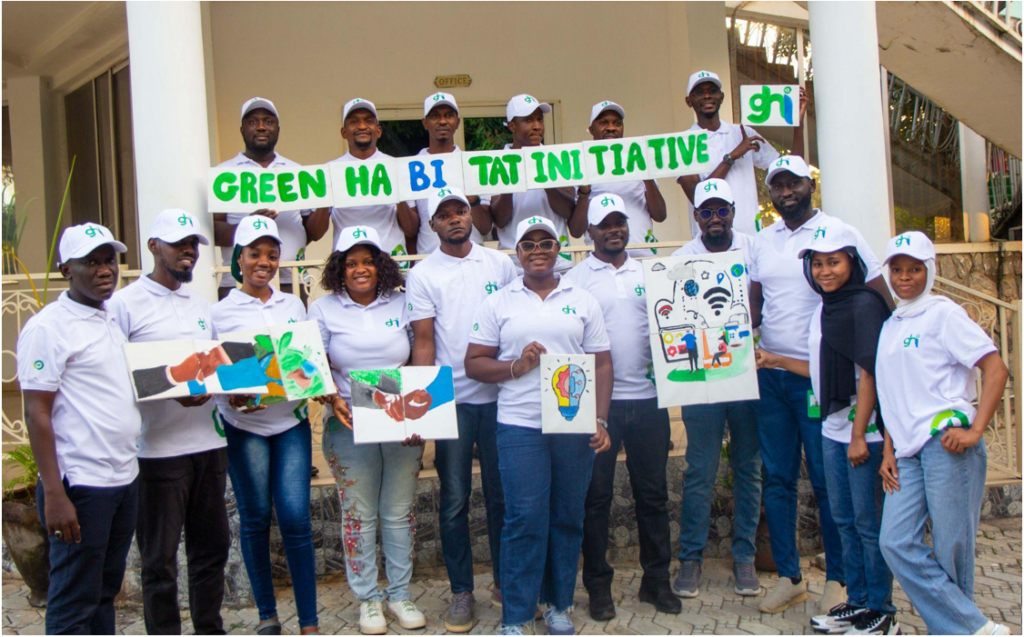
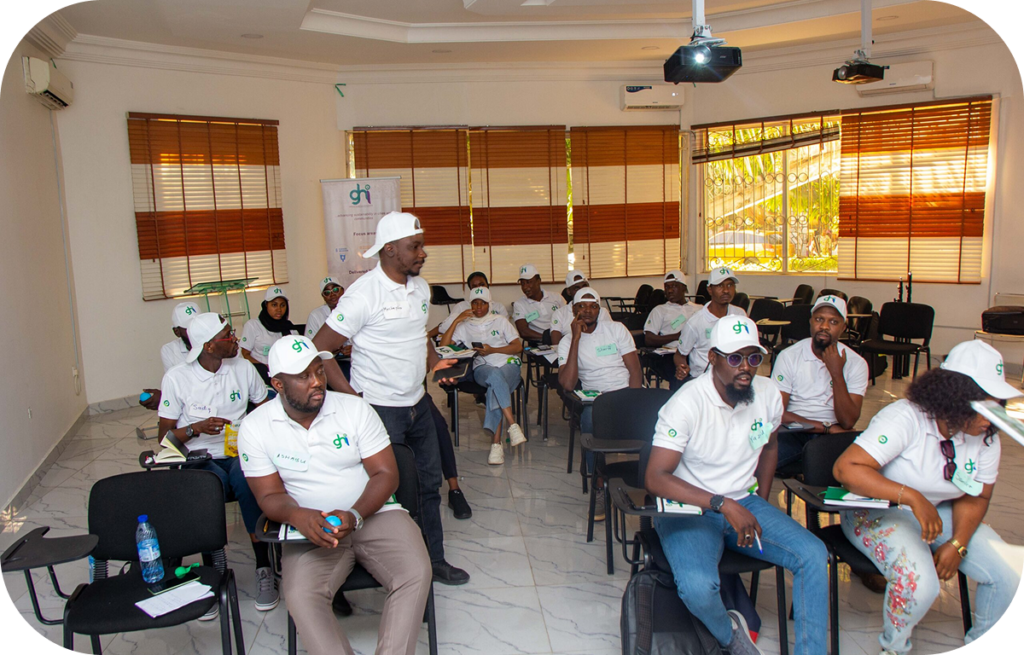
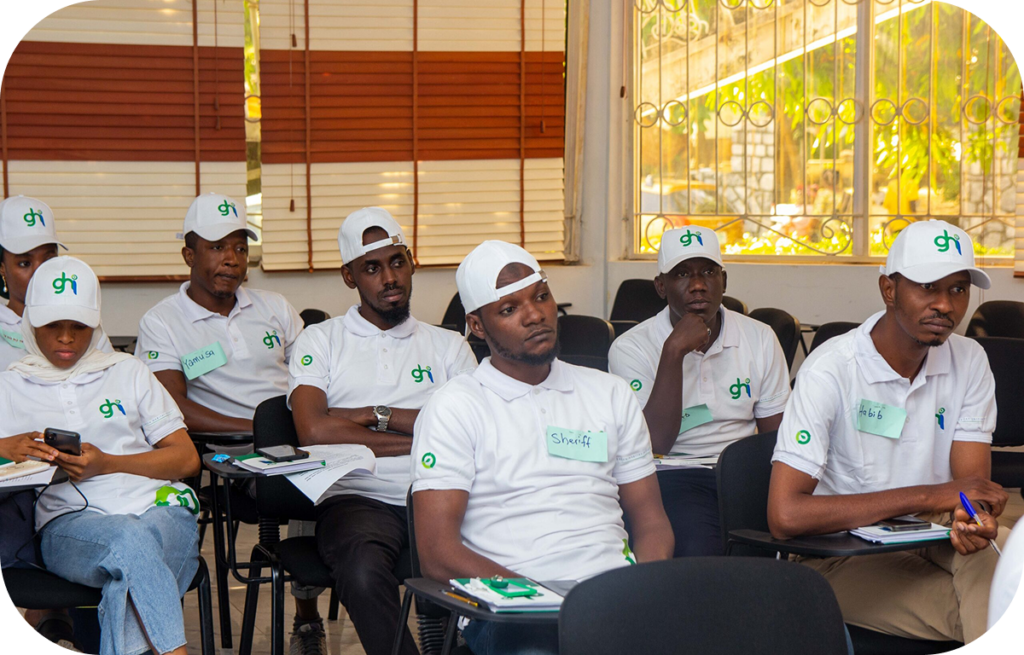
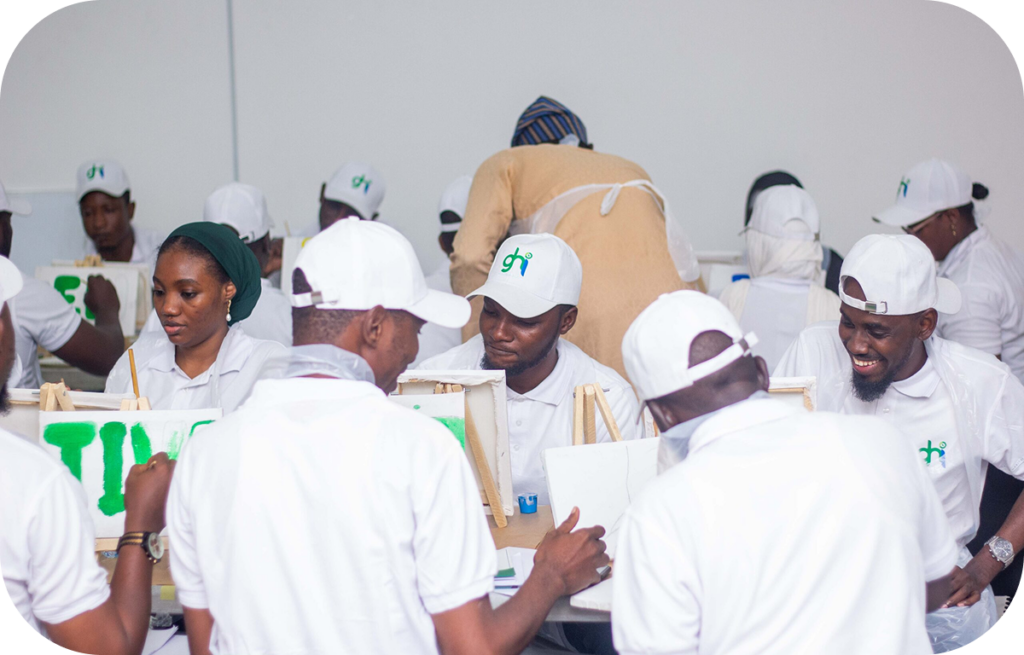
GHI’s Team Building
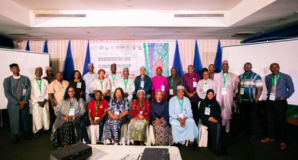
GHI Team Building: An annual retreat where GHI’s Team pauses, unwinds, restrategise for a better impact understanding.
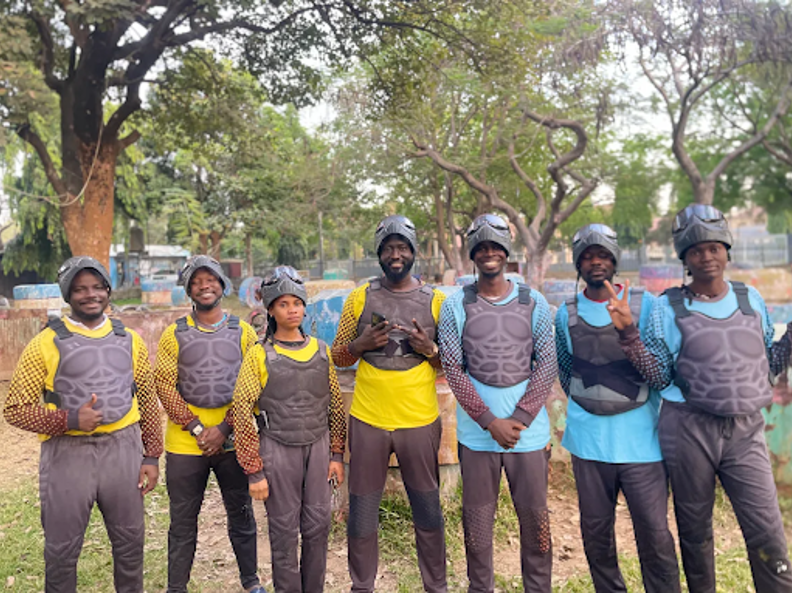
GHI End-of-Year Staff Team-Bonding Activity at a Paintball Game.
Success Stories
What We’ve Achieved
CLIMATE - SMART AGRICULTURE & FOOD SECURITY
When Climate Information Reaches Farmers, Harvests Improve
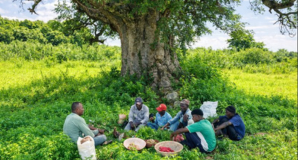
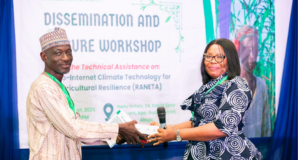
RANETA: Delivering Climate Intelligence to Farmers
In Kebbi State, unpredictable rainfall and flooding threaten smallholder farmers every season. For years, critical weather forecasts never reached rural farmers in formats they could access or trust.
Through the Radio-Internet Climate Technology for Agricultural Resilience (RANETA) project, GHI changed that.
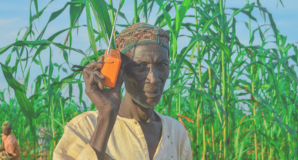
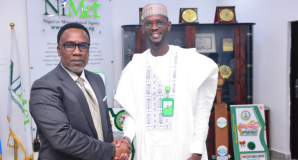
By combining community radio, SMS alerts, voice messages, USSD services, and local-language advisories with scientific forecasts from NiMet, farmers now receive real-time, localized climate information they can act on.
What Changed?
- 45,000+ farmers indirectly reached
- 100 farmers trained
- Agro-weather system developed
- National endorsement
Today, farmers make planting decisions based on data, reducing crop losses and improving yield stability.
EMSAS – Solar-Powered Hydroponics for Resilient Agriculture
In Kubau, Kaduna State, climate stress and land conflicts have made traditional farming increasingly fragile.
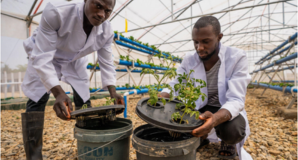
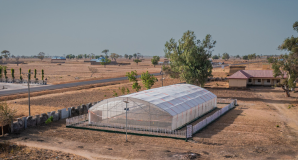
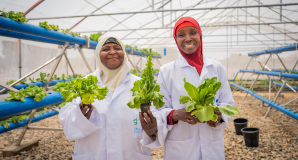
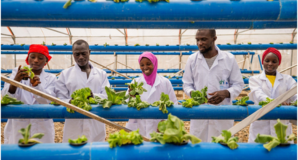
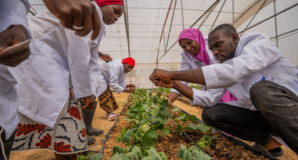
Through the EMSAS Hydroponics Project, GHI introduced a solar-powered, water-efficient farming system that operates in a controlled environment, shielding crops from climate shocks and conflict disruptions.
The greenhouse training centre now serves as a hands-on learning hub where farmers gain skills in hydroponics, climate-smart agriculture, and sustainable food production.
What Changed?
- 60+ smallholder farmers trained
- A fully operational hydroponics training centre established
- Conflict-sensitive agriculture model introduced
- Community trainers equipped to cascade knowledge
The EMSAS model is now emerging as a blueprint for climate-resilient agriculture in fragile regions.
Clean Water, Sanitation & Hygiene (WASH)
From Water Scarcity to Community Ownership
I-WASH – Sustainable Water Access for Kebbi & Sokoto
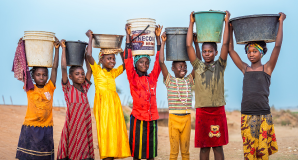
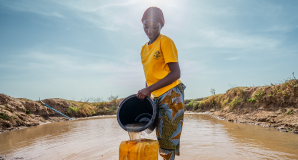
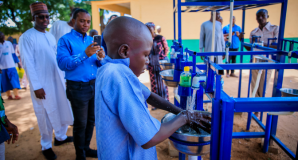
In many communities across Kebbi and Sokoto States, women walked long distances for water, health facilities lacked reliable supply, and open defecation remained widespread.
Through the USAID-funded I-WASH Project, GHI implemented an integrated approach that combined infrastructure, hygiene promotion, and institutional strengthening
What Changed?
- 46,000+ people gained improved access to water
- 14 solar-powered boreholes constructed
- 20 non-functional boreholes rehabilitated
- 302 household latrines constructed
- 34 WASHCOMs established
- 32 communities declared Open Defecation Free
- 10 toilet blocks built in schools and PHCs
Today, maternity wards have piped water. Girls remain in school due to improved sanitation. Communities manage and maintain their own water systems.
Access has become ownership. Infrastructure has become sustainability.
Climate Innovation & Policy Leadership
Elevating Local Solutions to National Platforms
GHI’s work does not stop at community implementation. It influences policy and national climate discourse.
In 2025, GHI received recognition as a climate innovation leader, with:
- Climate Champion Award from the National Council on Agriculture
- Representation at the Adaptation Fund Seminar (South Africa)
- Participation in World Water Week (Stockholm)
- RANETA featured as an international case study
- Strategic partnership secured with the World Food Programme (WFP)
Through the Climate Innovation Summit 2024 hosted in Abuja, GHI convened policymakers, innovators, and development actors to catalyze cross-sector collaboration.
GHI is positioning Nigeria as a regional voice in climate-smart development across the Sahel.
Youth and Capacity Development
Building the Next Generation of Climate LeadersElevating Local Solutions to National Platforms
Sustainable change happens when communities are equipped with the skills to lead their own development.
Across our projects, Green Habitat Initiative has trained and empowered young farmers, extension workers, WASH committee members, and community leaders with practical tools to drive climate resilience and sustainable growth.
Through initiatives like RANETA, EMSAS, I-WASH, and AgriFIMS, beneficiaries have gained hands-on skills in:
- Climate-smart and hydroponic agriculture
- Agro-weather interpretation and climate-informed decision-making
- Sustainable water system management and sanitation practices
- Digital farmer registration and data management systems
- Community-led maintenance and governance of local infrastructure
From hydroponics trainees in Kaduna to WASHCOM members in Kebbi and Sokoto, and extension agents trained in digital agricultural systems, young Nigerians are not just participants, they are implementers, trainers, and local champions of resilience.
By embedding capacity development into every project, GHI ensures that impact extends beyond infrastructure and technology to lasting knowledge, ownership, and leadership within communities.
Blogs
Circular Economy and Smart Waste Management System: The Nigerian Context
Nigeria, Africa’s most populous country and largest economy, is grappling with a growing waste crisis.
Read More

What Democracy Means for our Environment
When young Michael Taiwo Akinkunmi designed the Nigerian flag in 1959, he chose the colour green to represent the country’s lush vegetation
Read More
The Cascading Crisis: When Water Depletion Unravels Our World
Water, Sanitation, and Hygiene (WASH)—three simple words that should represent universal human rights and the foundation of well-being.
Read More
Beyond the Clinic: A Girl’s Path to Community Transformation
The jour ney of a thousand miles begins with a single step. For me, that step was a leap of faith, a bold decision to venture beyond the confines of my veterinary medicine studies
Read More
The Sanitation Crisis in Nigeria: A Threat to Human Dignity by Abimbola Ajayi
In a small village in rural Nigeria, 13-year-old Salama wakes up before dawn to start her day. She lives with her family in a small hut with no toilet.
Read More →
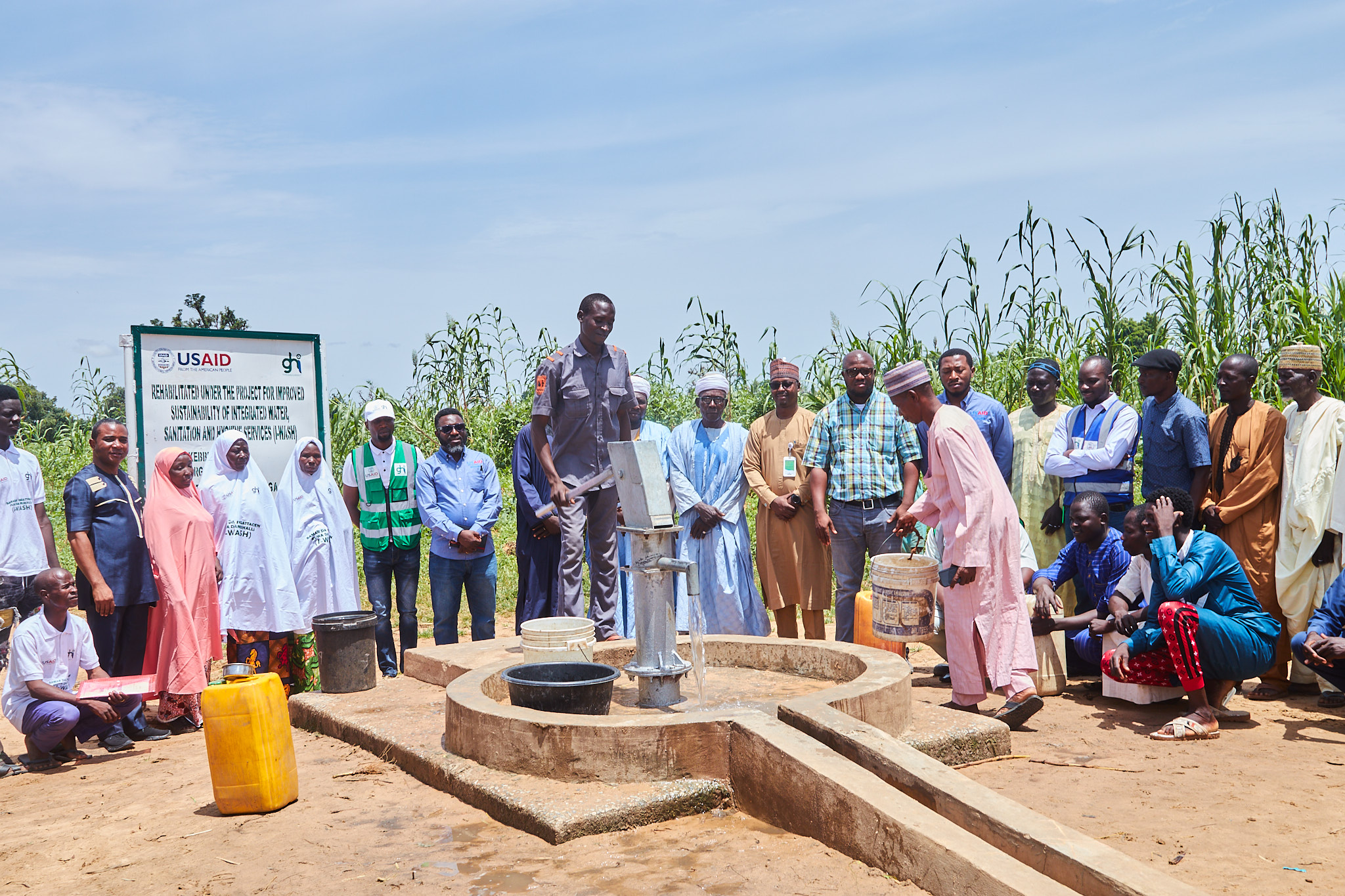
The challenges and opportunities for water and sanitation in Nigerian rural communities
Accessibility to safe water and sanitation over the years has improved and will continue to improve globally due to the increased programmes, policies, and initiatives embarked
Read More →
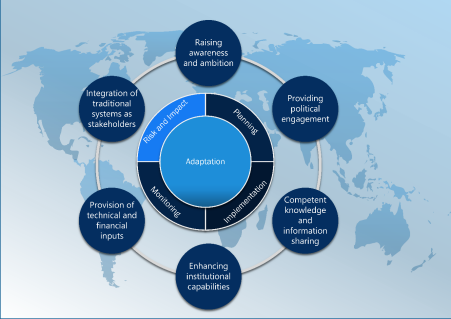
Nigeria 2060: NZE Commitments and the Future of Energy Transition for Economic Prosperity
President Muhammadu Buhari’s COP26 commitment to net-zero emissions (NZE) by 2060 has stirred up various responses and reactions.
Read More →
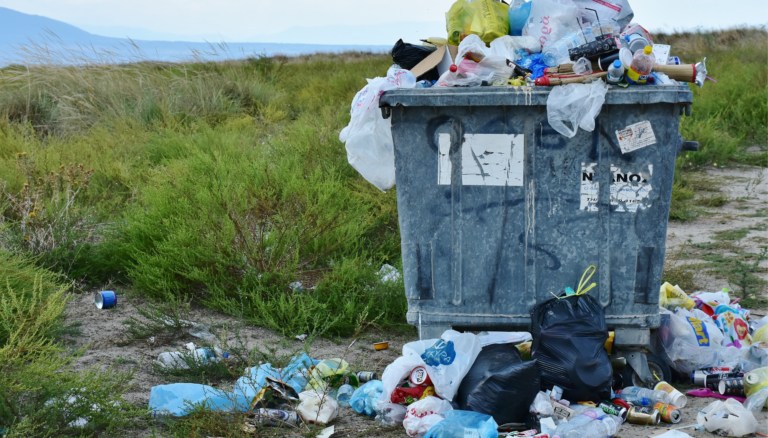
Revolutionising Waste Management in Nigeria’s Urban Centers: A Market-Based Solution to the Solid Waste Crisis. By Muhammad Sheriffdeen
The current state of waste management in Nigeria is a major concern due to the high rate of waste generation and poor management practices, coupled with the high rate of population increase.
Read More →