
Overview
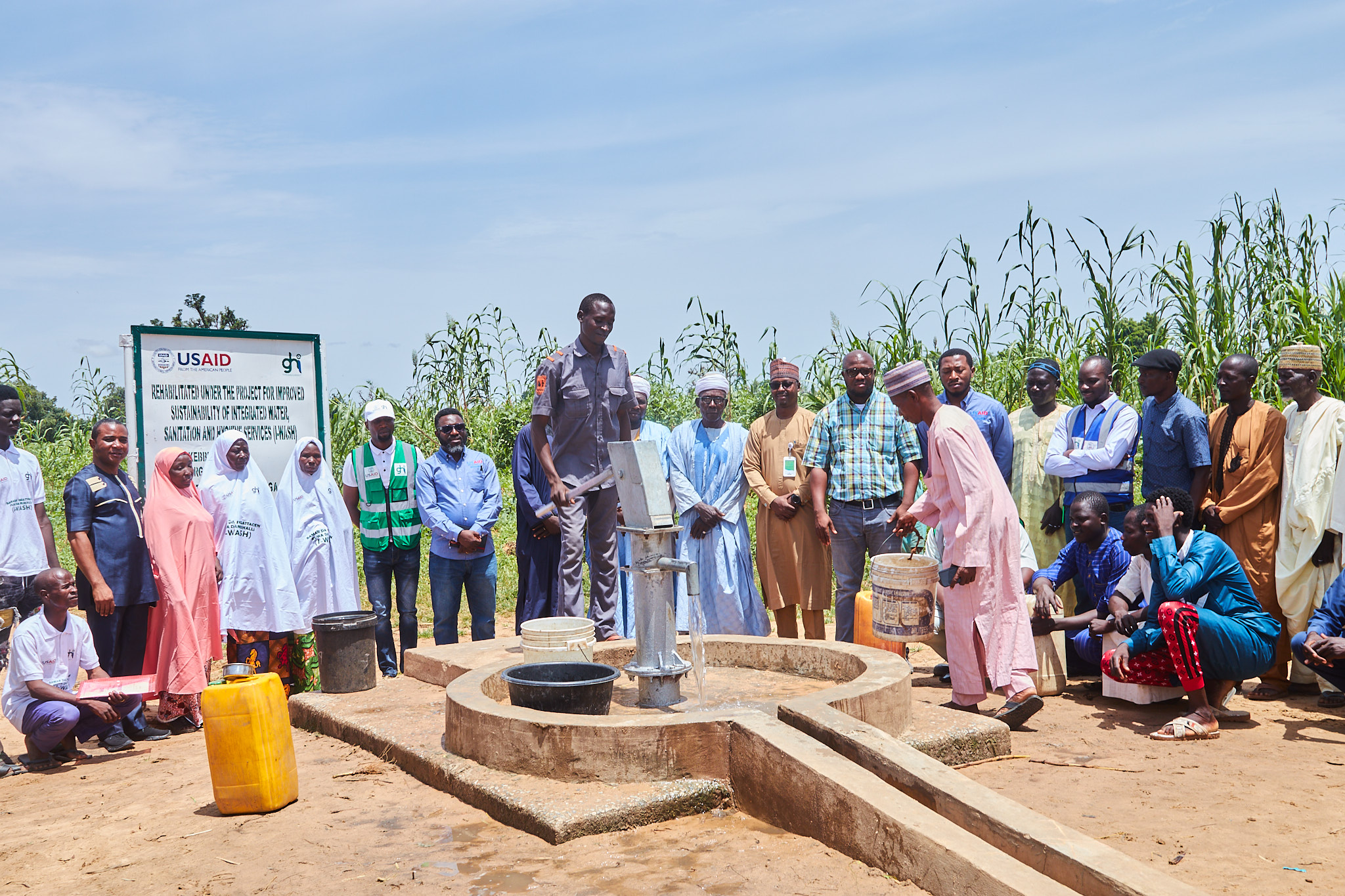
The United States Agency for International Development (USAID) is partnering with Green Habitat Initiative to improve access to sustainable and inclusive WASH service delivery in Nigeria. The Project for Improved Sustainability of Integrated WASH Services (I-WASH) will ensure the reduction of waterborne diseases and associated socio-economic challenges through a participatory and innovative approach that promotes inclusive access to WASH services in health centers, schools, peri-urban and rural communities in Kebbi, and Sokoto states.
According to the WASH NORM (2018) report, of 11% of Nigerians have access to basic water, sanitation, and hygiene services, 15% use basic sanitation services, 47 million practice open defecation, 16% of schools have access to basic WASH services, 6% of health centers have access to basic WASH services and 11% of households have had at least one case of diarrhea in the past 6 weeks. Among states with unimproved water supply, Kebbi State is the third highest in Nigeria, only better than Zamfara and Sokoto States respectively.
When people lack basic access to improved Water, Sanitation, and Hygiene, it has far-reaching consequences and can affect their health, education, safety, and livelihood. GHI is proud to work with USAID to support Nigerians to live healthier lives with the potential for improved economic outcomes. According to the Program Director of GHI, Engr. Sadiq Abubakar Gulma, “Our collaboration will not only leverage innovation and technology to achieve the purpose of the program but also has the potential to enhance the work of other partners in the WASH sector of Nigeria.”
Through an integrated and innovative approach, I-WASH combines the promotion of good watershed management, provision of WASH facilities, and remote surveillance of water facilities, sanitation marketing, and advocacy for key behavioral change in unserved/underserved communities.
Project Launch
The project which was formally launched in Abuja on the 15th of July, 2021 was attended by 64 participants including high-level representation from the two states (Sokoto and Kebbi), WASH implementing partners and Civil Society organizations implementing WASH in the Federal Capital Territory (FCT). Several commitments were made by state partners to provide full support towards the project’s successful implementation, reiterating USAID’s commitment towards improved sanitation and hygiene services and infrastructure. A Memorandum of Understanding (MOU) was signed between GHI and Kebbi and Sokoto States representatives. The event was covered by the media agencies from print, television, radio and online platforms.
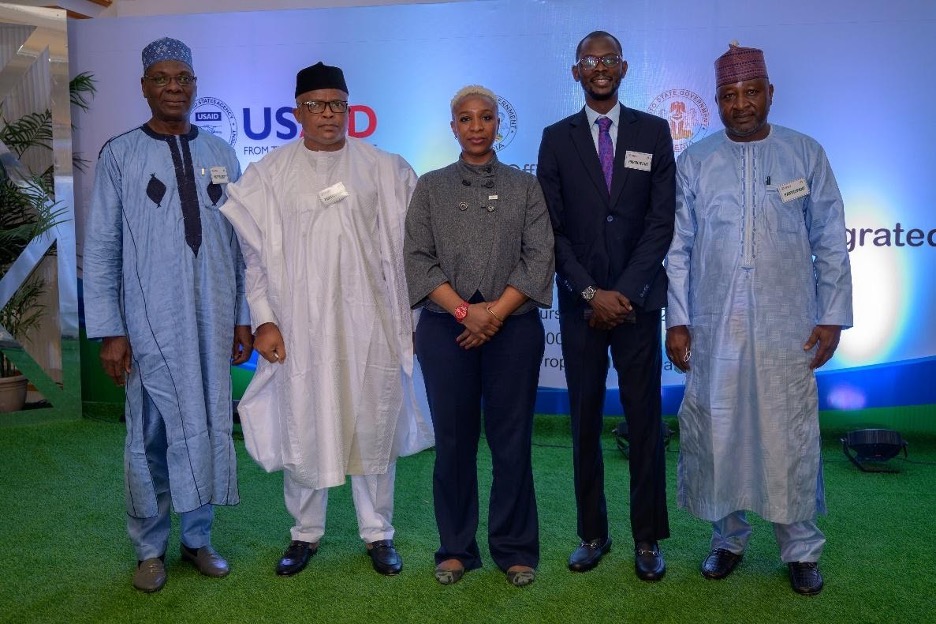
Amarachi Obinna-Nnadi, USAID/Nigeria Mission Development Outreach and Communications Specialist, who presided over the event remarked that, “This activity will help Kebbi and Sokoto states provide better community WASH services and contribute to improved health outcomes”.
Major Project Targets
The I-WASH program aims to strengthen the capacity of government institutions and community management structures to coordinate sanitation and hygiene as well as water resources management that ensure the sustainable operation and maintenance of WASH facilities. It will also attract public-private sector engagement through a paradigm shift in operation and maintenance of WASH facilities. Concurrently, it will provide evidence that will contribute to the establishment of policies on good watershed management. The deployment of monitoring sensors for water facilities will encourage transparency and accountability of funds while the conduction and airing of drama on TV and radio stations will ensure the program advocacy activities are heard in impacting ways and reached a national audience.
Overall, the project will focus on Equality and Non-Discrimination (EQND) to ensure women and other disadvantaged groups are given the opportunity to equally participate and make their contributions to achieve increased access to water, sanitation and hygiene services. The project which started in February 2021 is expected to run through to February 2023.