
CAUSES OF DESERTIFICATION
Desertification is the degradation of a fertile land into a desert by losing its flora and fauna. The official definition by the United Nations Convention to Combat Desertification (UNCCD) that has been widely used since it’s formulation in 1994 is that “desertification is land degradation in arid, semi-arid and dry sub-humid areas resulting from various factors, including climatic fluctuations and human activities .” Desertification is not a natural process of deserts expanding to new regions, but rather a form of land degradation caused primarily by human activity in vulnerable areas.

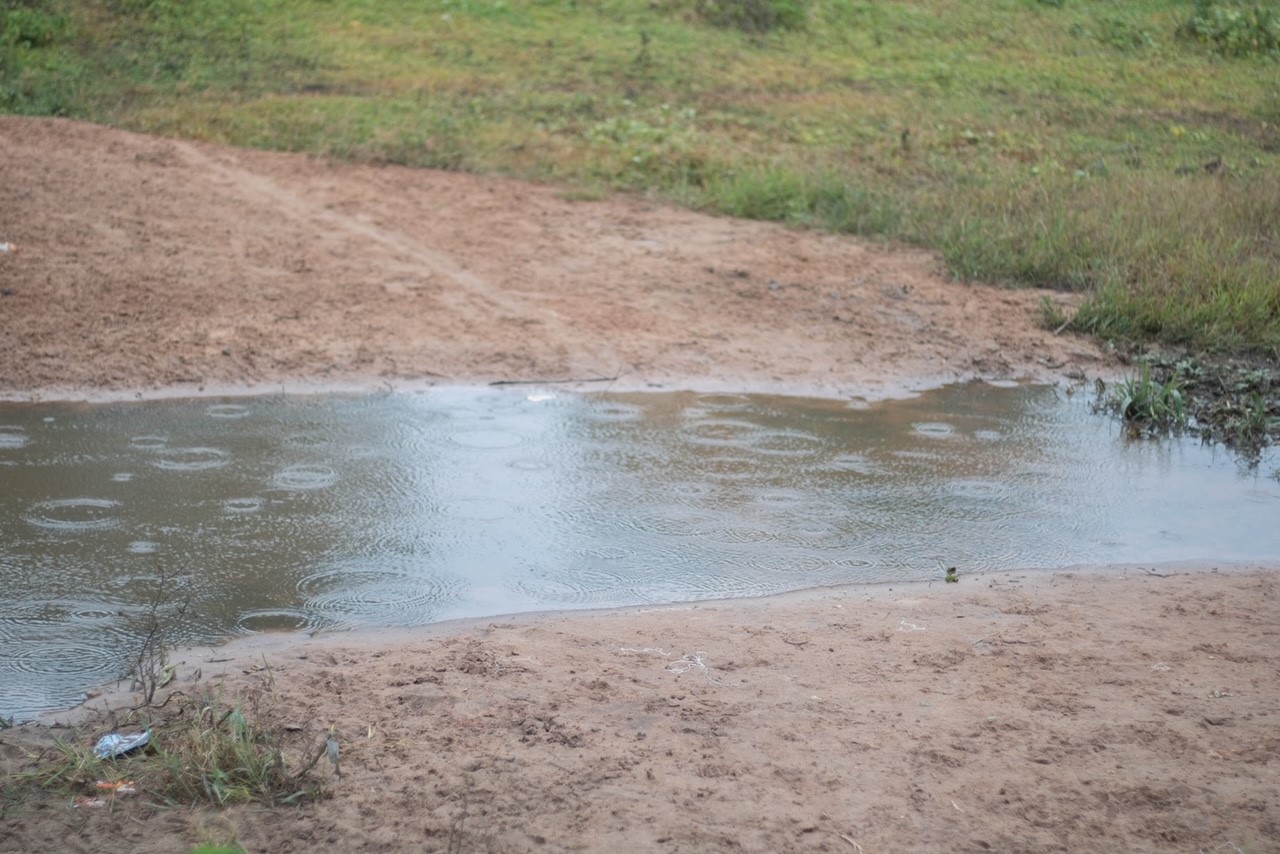
Degradation of fertile land leads to desertification
Desertification is more prevalent in Africa and Asia, with 90% of places affected belonging to the world’s poorest regions. According to the current estimates, approximately 37 percent of the land in Africa is on the edge of turning irreversibly into desert. About 33 percent of Asia faces the same risk as well.
Causes of Desertification
Overgrazing
Overgrazing and desertification have always been closely linked together. Overgrazing occurs when plants are exposed to intensive grazing without sufficient recovery period. It can be caused by either livestock in poorly managed agricultural applications, game reserves, or nature reserves.
Overgrazing can reduce ground cover, making way to erosion and compaction of the land by wind and rain. This reduces the ability of water to penetrate the ground, inhibits the growth of plants and ultimately leads to serious erosion of the land.
Unsustainable agricultural practices
Through inconsiderate methods such as heavy tilling, farming may also speed up the process of desertification. The common farming activity of removing natural vegetation that holds the brittle soil in place exposes the ground to slow degradation. The productive soil layer wears away in just a few short seasons.
Moreover, the use of chemical pest control and fertilisers can also have a negative effect on the soil fertility. While this may work in the short term, it has bigger and wider consequences in the long run as it affects the soil over time.
Deforestation
Deforestation is one of the leading human causes of desertification. Trees are being cut down at a much larger scale than ever before, for use as fuel, for the manufacture of products we use in our daily life, or to simply create more space for agriculture.
When the trees and other vegetation in an area are cleared, there would be no roots to hold soils in place and no canopy to shield the ground from the direct rainfall sun’s heat. The bare soil then easily dries out and turns to dust, which can be blown and washed away in a single storm.

Deforestation is one of the leading causes of desertification
Once the soil is degraded and the precious nutrients are lost, only infertile and lifeless swaths of land are left behind. And what’s more, without trees, even the local climate becomes drier due to the lack of water evapotranspiration from tree canopy, which reduces cloud formation in the region and results in less rain.
Water management
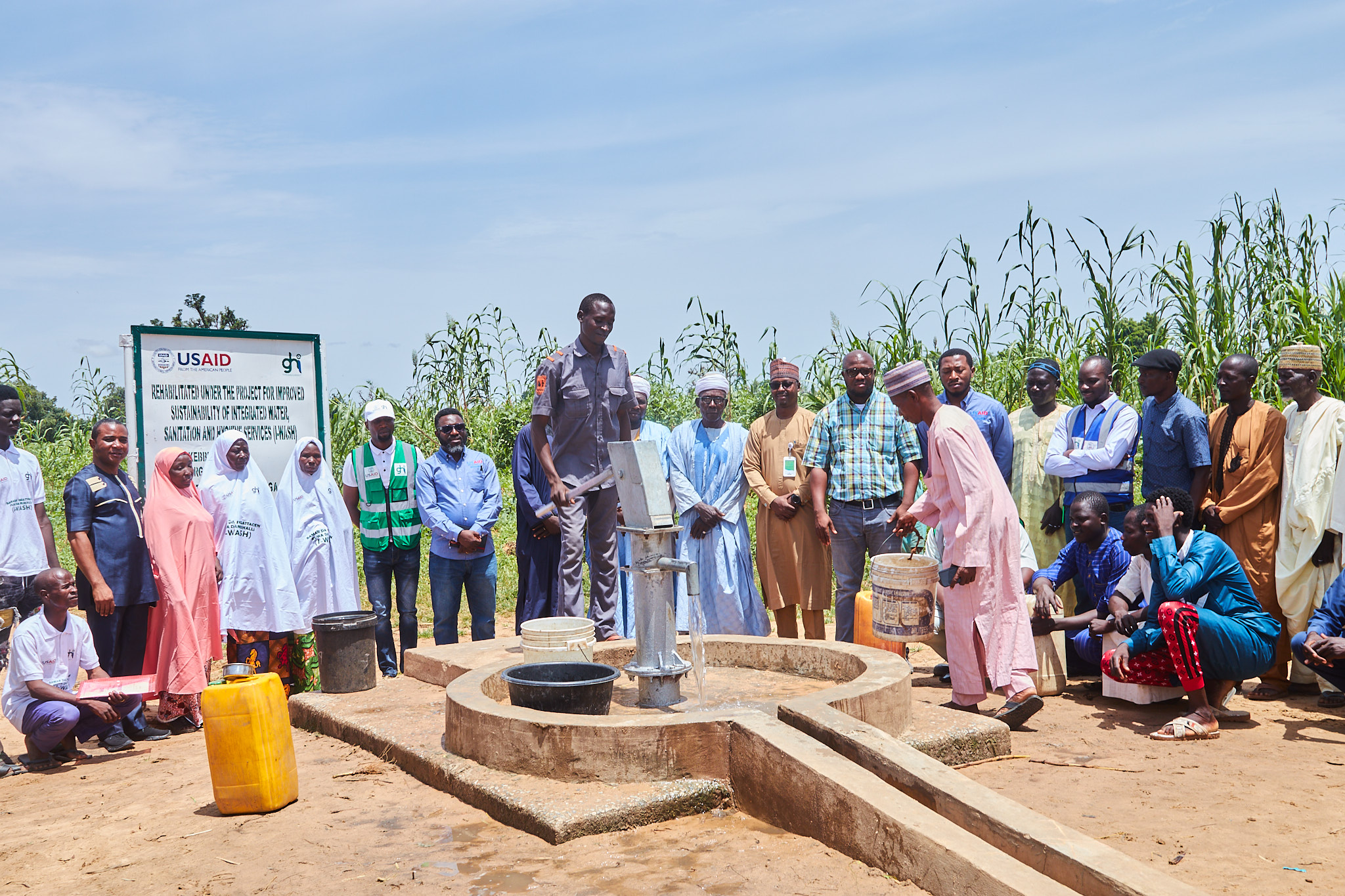
Unsustainable water management is another factor that leads to desertification.
The problem of worsening desertification doesn’t have to be linked only to agricultural lands, unsustainable water management occurs even in cities and tourist destinations that are built in arid or semi-arid areas. These places often draw large quantities of groundwater from natural aquifers, not letting them naturally replenish and eventually facing water scarcity just as recently experienced in Cape Town in South Africa.
Lack of water to support farming and the encroachment of desert sand into villages are already posing a huge problem to rice farmers throughout the regions of northern China. While farmers despair about their inability to cultivate rice fields, local agronomists confirm that it was the water over extraction to create rice paddies that has significantly contributed to the current desert expansion.
Urbanisation
The more cities grow, the more forest land we lose. As areas become more urbanised, there are fewer places for plants to grow, thus causing desertification. Land degradation due to urbanisation has strongly affected many countries such as Egypt, Iraq, Turkey, Spain and other places with hot climate, where urban and tourist areas spread along the rivers or coastlines, sealing these lands and pushing farming away onto marginal lands, which will only accelerate their desertification over time.

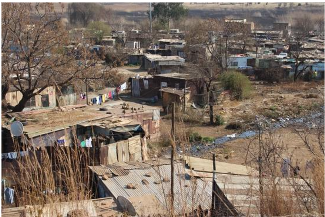
Urbanisation can indirectly cause desertification
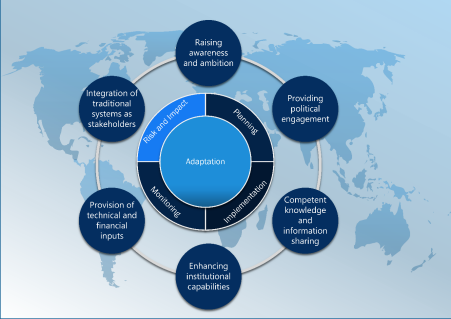
Other direct and indirect causes of desertification include climate change, mining, soil pollution and overpopulation. Considering that the factors responsible for desertification are mostly man made, all key stakeholders (governments, industries, farmers, etc.) need to act proactively on reversing it.
Nurudeen habeebullahi O.
Program Assistant
Green Habitat Initiative (GHI)
Abuja
habeebullah.nurideen@greenhabitat.ng
08139156582
Facebook: nurudeen habeebullahi
Instagram: emperor_hajo