
 A coalition of Nigeria’s leading women-led civil society organisations (CSOs), under the auspices of the Development Research and Projects Centre (dRPC), is calling on the federal government to put in place an inclusive and effective mechanism for the swift implementation of Nigeria’s resolutions made at the just concluded COP28 .
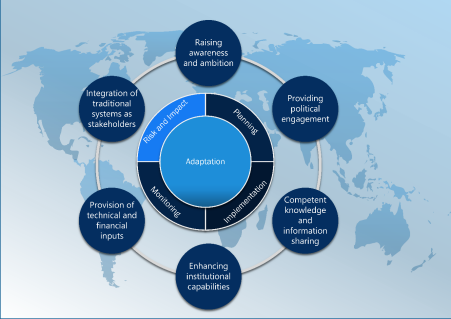
The Women Economic Empowerment CSO coalition (WEE-COL) expressed concern about the need for a clear monitoring and evaluation performance indicators for line MDAs and high-level government stewardship around the intersectionality of climate action and the health, agriculture, resilient food systems, education and security sectors.
In a statement issued in Abuja on 20th December and signed by the coalition’s coordinator, Mrs Ruth Agbor, who is also the President of the Association of Women in Agriculture and Trades (AWITA), the women economic empowerment coalition (WEE-COL) commended the Nigerian government for recognising the severe and disproportionate impacts of climate change on women’s health, their well-being and livelihoods. The group also commended the Nigerian government for signing the Declarations at the recently concluded COP28 Dubai.
The women’s economic empowerment coalition noted that the COP28 Declaration on Sustainable Agriculture, Resilient Food Systems and Climate Action, as well as the COP28 Declaration on Climate and Health, present a critical framework for addressing the intersectionality between climate action and women-facing sectors such as health, education, agriculture, and food security.
Mrs Agbor said:
‘‘Women’s civil society organisations are ready to play a vital role, contributing to the realisation of government’s COP 28 commitments at all levels. Women’s groups are prepared to share lived experiences about the impact of the climate crisis. They are indispensable to processes of formulation, implementation and evaluation of climate action policies and projects in key sectors such as health and agriculture. We are therefore calling on the Nigerian government and particularly the National Council on Climate Change to actively engage and collaborate with women’s CSOs in the planning, implementation, and monitoring of climate action policies, programs and projects.’’
WEE-COL called on all Nigerians to join hands with the government to ensure that the policy and political value to accrue from the just concluded COP28 is utilised to effectively increase the capacity of Nigerians, especially the more vulnerable, women and girls, to adapt to the climate crisis which is now upon humanity affecting livelihood, health and survival.
Written by: dRPC