
FOREWORD
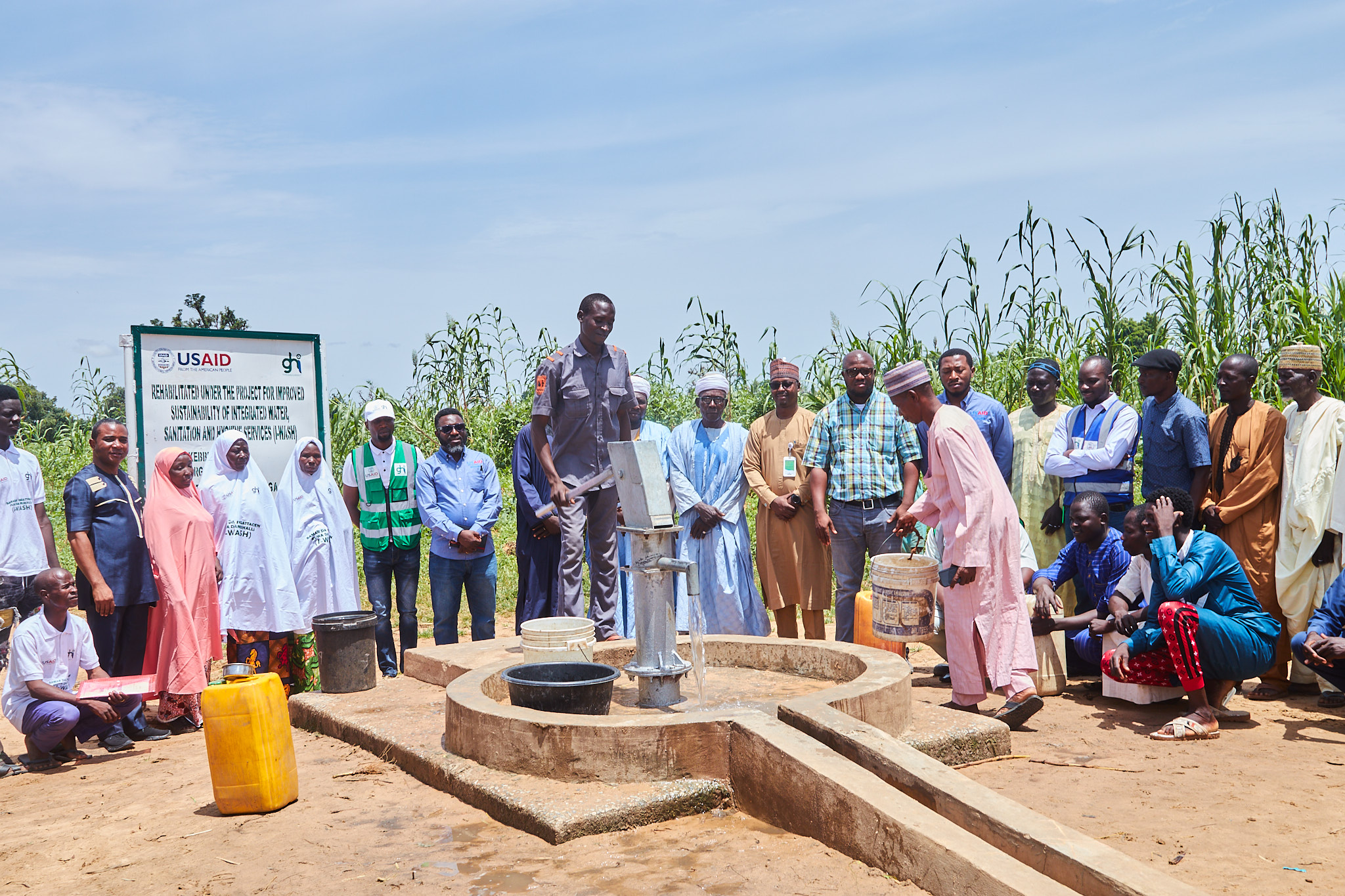
Access to safe drinking water and sanitation is regarded as a basic human need that every society must strive to achieve. Inadequate access to sanitation, water and hygiene facilities has been linked to water-borne diseases and associated socio-economic challenges. This report presents a detailed assessment of the existing conditions of WASH services in Kebbi State. It is informed by the statistics from the WASH-NORM II (2019) report, which reveals that only about 22% of the average population in Kebbi State has access to an improved water supply. In fact, Kebbi State has the third-highest percentage of people who have access to unimproved water supplies in Nigeria, trailing only Zamfara and Sokoto States. However, a recent Satisfaction Survey Analysis (SSA) conducted by the Kebbi State Government has shown an improvement in the status of water supply and sanitation compared to the 2019 WASH-NORM report. This baseline survey by Green Habitat Initiative also reflects this improvement, even though the survey was limited to only 10 out of the 21 Local Government Areas (LGAs) of the State. Over 1,000 new water pumps and 300 sanitary facilities have been installed across the State. Furthermore, with support from multiple donor agencies, the State Government has reactivated and fully disinfected over 900 non-functional water systems to a globally acceptable quality level for potable water. Nevertheless, there is still more work to be done to achieve the sustainable development goal in water, sanitation and hygiene in Kebbi state. 4 | Page The baseline survey of WASH infrastructure conducted by the Green Habitat Initiative (GHI) is a welcome development for Kebbi State. I believe that the findings of this baseline survey will serve its main purpose of drawing the attention of all the relevant stakeholders towards the critical need of addressing the WASH challenges Kebbi State is facing. Furthermore, it will serve as a reference point for planning and management of WASH facilities in Kebbi State. Engr. Aminu Umar (MNSE) Ag. Permanent Secretary Kebbi State Ministry of Water Resources