
A lot goes on in many corners of Nigeria, environment wise. Many people are unaware of the consequence of their actions on the environment. Two of the most common environmental atrocities being indulged in are cutting down trees and bush burning. Trees in bushes are cut down mercilessly to make ends meet. From a little beginning of cutting down one tree, so many end up being slashed down, like a weeding exercise. 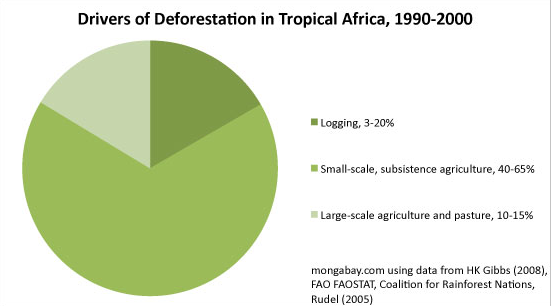
Uneducated habits
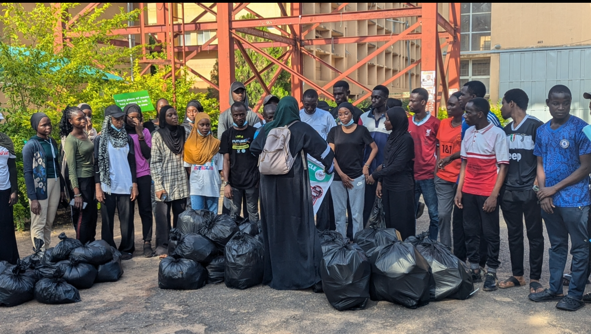
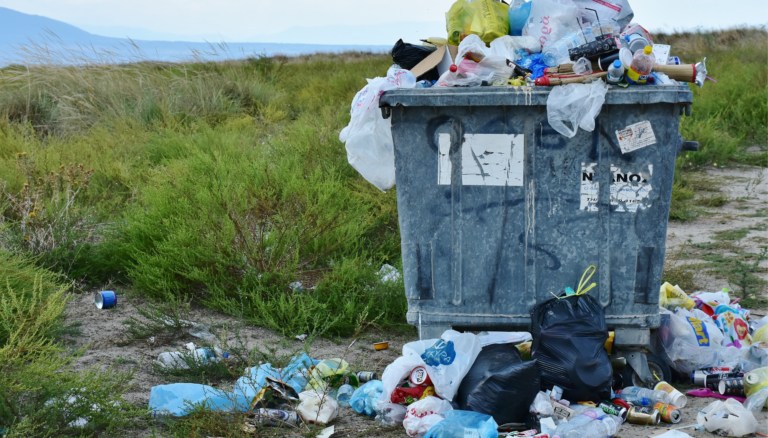
Indiscriminate disposal of waste is one. We throw plastics everywhere, aiding to the degradation of arable farmland. Agriculture is Nigeria’s highest employer and contributes about 25% to the GDP . Both cutting down trees and unsafe disposal of non-easily biodegradable wastes aids degradation of the vast arable farmland in Nigeria. Urban and rural areas, people of all ages and from all corners engage in indiscriminate disposal of different types of waste.
[blog_subscription_form]
Bush burning, against conventional widely known wisdom farmers use to prepare the land for the next growing reason unfortunately harms the top soil and environment. Research has consistently shown why it is a bad idea to burn bushes. Not only does it add to the air pollution, it kills other important vectors present on the farmland. A detailed analysis of the impact of bush burning has been written by our contributing writer here.
A number of calls have been made to stop private companies and individuals who run car wash businesses by the road side. Soaped waters from washing cars that flow on the roads deteriorate asphaltic roads. This causes crack which eventually widen to become potholes. These actions are amongst the worst; they cause critical damage to existing infrastructure.
The argument for environmental education shouldn’t be limited to the physical environment.
Other actions cause negative effects on our human health. Many people use generators to power their homes. Most of these generators are placed closed to neighbours’ houses, often exposing them to unhealthy noise levels. High noises have been shown to increase stresses that cause headaches, hearing impairment, sleeping disturbance and depression. Many innocent people are at the mercy of those who use generators. In about 20 years from now, those people exposed to high generator noises are projected to experience hearing impairment.
Air pollution is almost unchecked in many parts of Nigeria. Emissions from many cars are well above acceptable limit. People who frequent bus stops, unfortunately many Nigerians do daily, are always exposed to unhealthy breathing air. Port Harcourt in Southern Nigeria has been facing widespread air pollution from illegal oil refineries for months. The sad thing about this exposure is that effects are not seen almost immediately. Such infections deteriorates people’s health on a long period of time, but manifestation could take years.
A common act done by many residents, private and government establishments is to burn their waste in the night. Thus people sleeping with open windows and passing by those locations face deteriorating health conditions in the future. Some even in the immediate present; asthmatic patients.
Effects
On so many occasions, we hear sad stories of “there were trees here, but people have cleared them all.” According to Nature, 15.3 billion trees are cut down annually. The staggering figure leaves you wondering how much is remaining to continue to provide ecosystem services.
A major reason why this is prevalent is because the perpetrators do not know the negative impacts of cutting trees down. While another first thought reason would be for income generation, the first point still stands. The ignorance of the effects of cutting down a tree, how it affects the livelihood of those in the society, the health and safety of everyone is prevalent amongst many. An equal knowledge of how a tree contributes to our wellbeing is absent in the minds of many.
[blog_subscription_form]
The aftermath of our negligence to environmental atrocities have impacted and will continue to impact our well-being, hence putting a worrisome cloud to what the younger and future generation would face in the future.
Lake Chad has seen an unprecedented shrinkage in volume . It has resulted in exacerbating poor living conditions for the people living around it. There is less water to use for domestic, commercial and agricultural purposes, fishing activities have declined. The general decrease in economic activity in the region cannot be said to not add to the conflicts around the region.
Mitigating the Problems
The Federal Government, NGOs, CSOs etc. are continuously advocating for afforestation programmes with the grandest of the projects to be the Great Green Wall. A wall to be composed of trees to be planted across 11 frontline states in Nigeria. This should continue by all means.
Proper environmental legislations controlling noise levels from traffic, generators, event centres, use of honks in residential areas, etc. should be in place. Lagos State has implemented similar laws (pdf) for noise pollution.
A good point to note is that many environmental atrocities are caused by rural people. Environmental legislations and protection in many cities focuses only on urban areas and on waste management. Initiatives discouraging deforestation in rural areas are seldom heard of, all the times.
Environmental activism should focus a lot on those rural areas with so much emphasis made on the way and manner environmental education is passed to them. Local translations of the impacts of climate change should be articulated in the most comprehendible manner possible for the population.
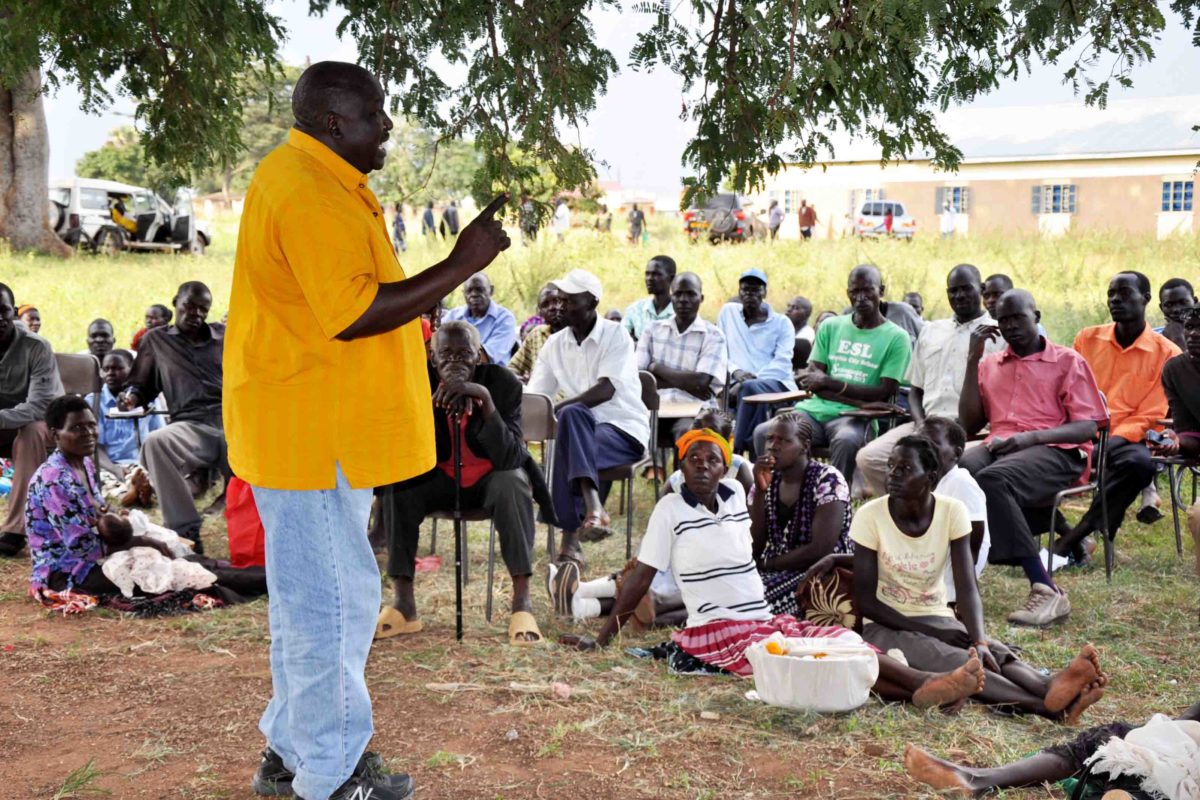
This ignorance necessitates that environmental education shouldn’t be only classroom knowledge limited to PowerPoint presentations. It should be taken outside the school environments in to town squares, village circles, markets, under trees, by river sides, at emirs’ and chiefs’ palaces and wherever a congregation of people gather in hamlets, villages, towns and cities.
As much as sensitization on sensitive issues like maternal care, FGM, HIV/AIDS, girl child education and other topics are being promoted in many circles, rooms, halls, schools, rural and urban areas, environmental education should equally be promoted.
[blog_subscription_form]
Written by Sadiq.
 Sadiq Abubakar Gulma steers the organizational mission of Green Habitat. He is a member of the Green Talents International Forum for High Potentials in Sustainable Development, a LEED accredited green building professional and has a master’s degree in Environmental Engineering. His research interest and work lie in investigating and improving the thermal conditions of urban built environments. Follow him on Twitter @SadiqGulma