
A plant is basically a living organism that grows on land or in water and has the capability of making its own food through photosynthesis. Like every other thing that nature gives us, plants are very important to human existence. We need plants to live because not only do they provide us with food, we also literally need them for the oxygen contained in the air we breathe.
The Earth is unique among other planets in its ability to support life. This is largely due to the existence of plants, which have characteristics beneficial for the survival of other living creatures. Through the process of photosynthesis, plants absorb carbon dioxide and release oxygen from their leaves, which humans and other animals need to survive. They also provide habitat, serve as a primary food source, and regulate the water cycle.
Below are some of the importance of plants to human beings and the planet.
Oxygen
As indicated earlier, plants supply the oxygen in the atmosphere, without which humans and animals would have less fresh air to breathe.
Carbon sinks
One of the biggest environmental issues the world faces today is the burning of fossil fuels which has resulted in the high level of carbon dioxide in the atmosphere. Trees serve as carbon sinks because they absorb the carbon dioxide from the atmosphere and release oxygen.
Water cycle regulation
About 10% of the moisture in the atmosphere is released by plants through the process of transpiration. Water absorbed by the plants’ roots is released as a water vapour through some small pores underneath their leaves. Not only that, plants also help stabilise bodies of water such as rivers, lakes and streams. Plant roots improve soil stability, prevent landslides, and keep these ecosystems intact.
Shelter
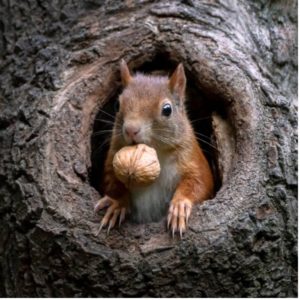
Another benefit of plants is that they provide habitat for humans and animals. Many species of birds live on trees and shrubs either in crevices or in their nest built on tree branches. Trees serve as shelter for animals against predators, and that is why habitat loss is considered one of the reasons for species endangerment and extinction. Because of that, it is important that we protect our trees if not for anything else.
Conclusion
Plants are considered primary producers and they provide food for both humans and animals. Herbivores (animals that eat plant) feed on plants directly to get their dietary needs while carnivores (animals that eats other animals) feed on herbivores to survives and omnivores (animals that feed on both plant and animals e.g., humans) feed on both herbivores and carnivores whose primary source of sustenance are plants. So directly or indirectly, all animals rely on plants to survive. It is important that we don’t take the wellbeing of plants for granted as they are essential for our very own survival on earth.
Habeebullahi is a Program Assistant at GHI headquarters, Abuja. He’s passionate about new ideas, fresh starts and learning new things.