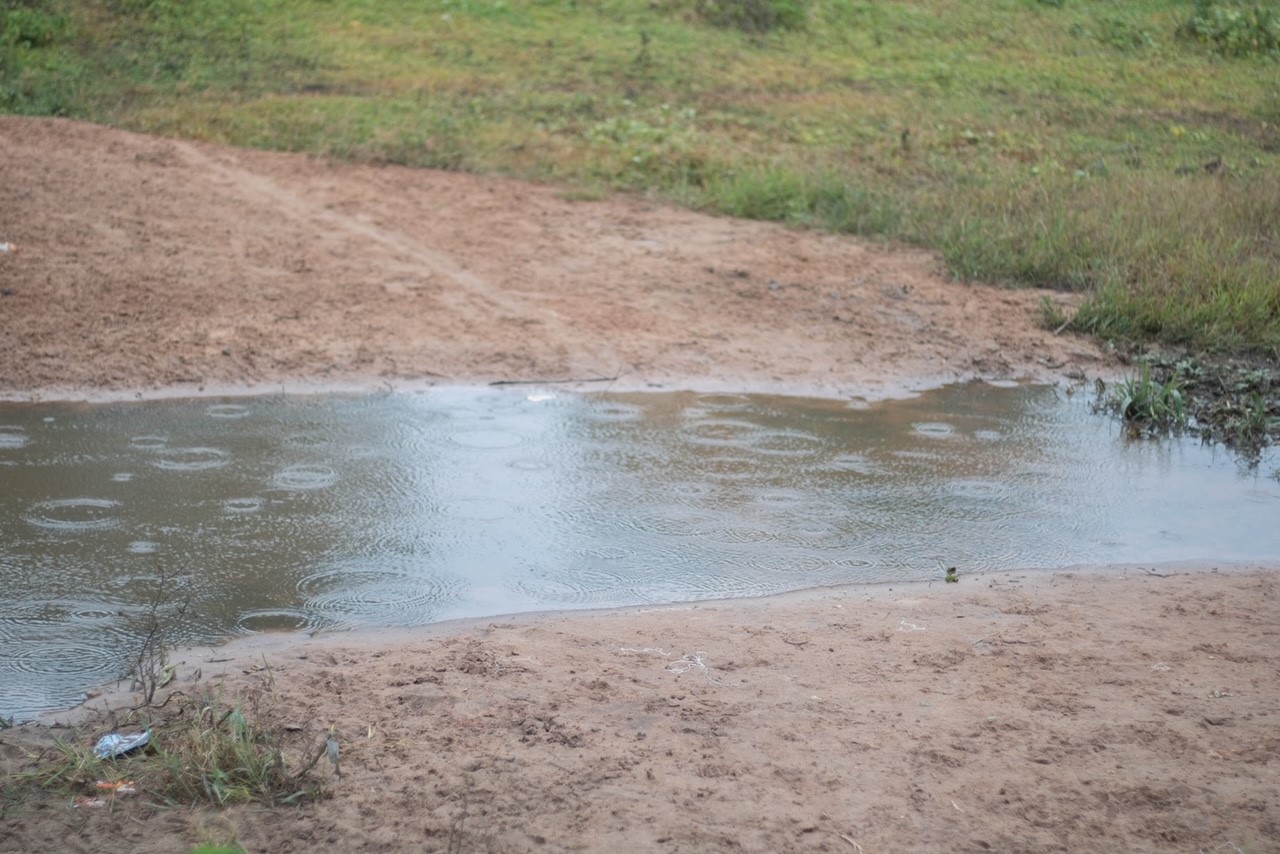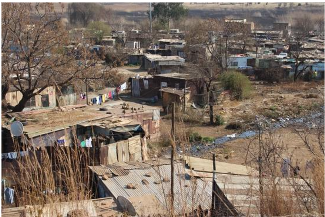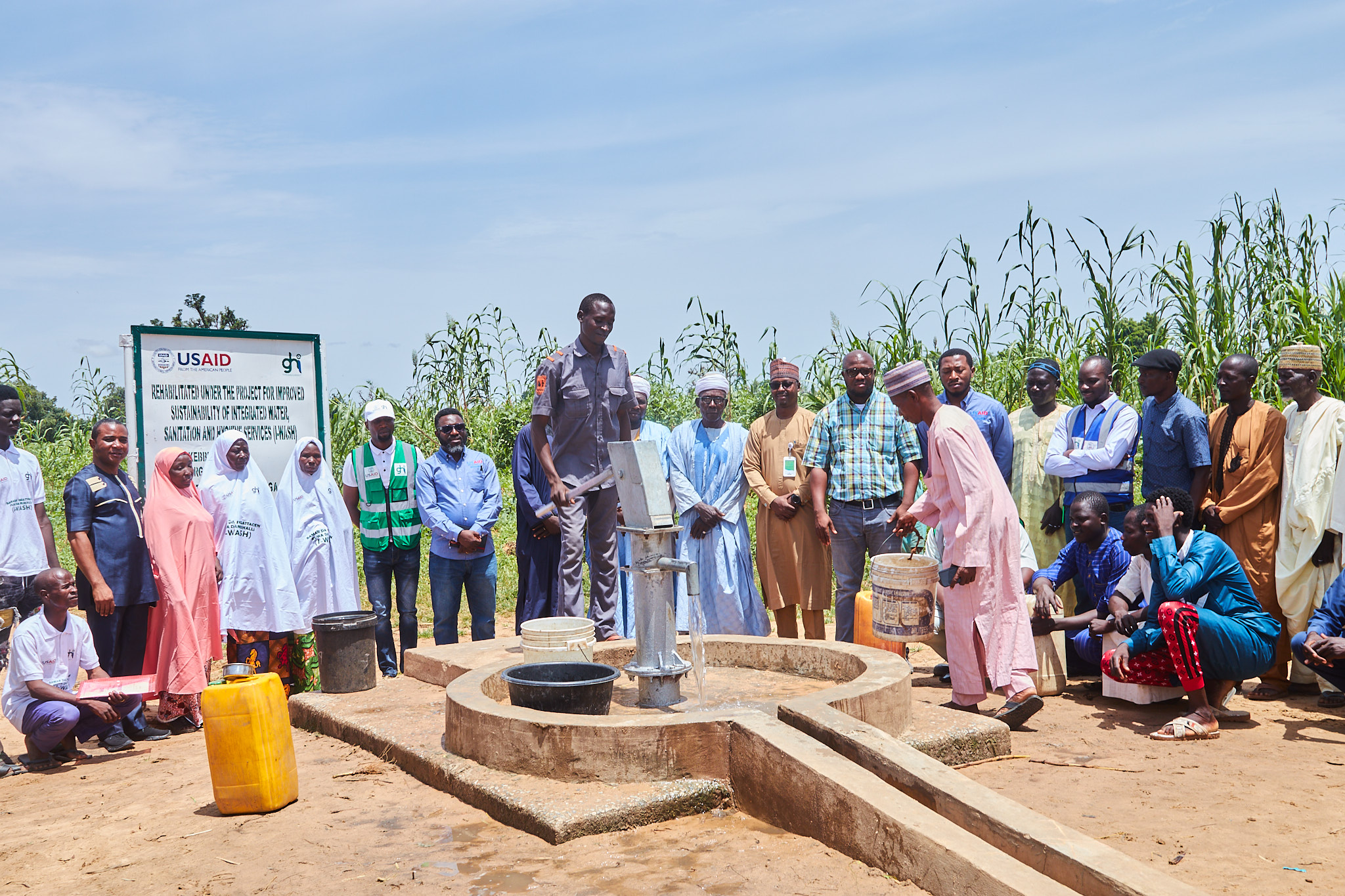

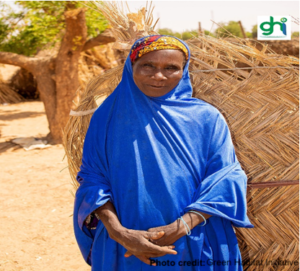
Despite living in a clean house, life was unbearable for 53-year-old Hajo Umar who is a trader in local rice. The widow who lives in Indire community in Gotomo, Argungu LGA of Kebbi State, Nigeria was always unhappy because her community had an offensive smell from open defecation. Even the small piece of land opposite their hand-pump was not spared as it became a popular defecation spot for the villagers. The proximity to the water source also posed a high-risk factor for epidemic diseases like cholera.
In December 2021, Green Habitat Initiative (GHI) under the United State Agency for International Development (USAID)-funded Project for Integrated Sustainability of Integrated WASH Services (I-WASH) conducted sensitization activities to end open defecation in her community. Communities were facilitated by GHI and staff from the Local Government Water Sanitation and Hygiene Unit (LG WASH Unit) during a meeting to understand the negative effects of open defecation.
In the meeting, community members responded to questions from the LG WASH unit team about their sanitary behavior that made them realize that their food and water is contaminated through open defecation. They developed a plan which contained a list of activities that the community will carry out to end open defecation. Next, volunteers known as “Natural Leaders” were nominated to follow up on all households to encourage them to construct toilets and achieve their Open Defecation-Free (ODF) plan.
Every week, the LG WASH unit with support from GHI visited the communities to monitor the progress of the communities towards achieving ODF status. This activity aims to increase USAID locally-led development activities achieving increased access to sanitation and hygiene facilities.
Hajo Umar was one of the “Natural Leaders” selected by her community to ensure all households construct and use toilets. She realized that it would take communal efforts to stop people from this habit because most of the community members were involved in open defecation.
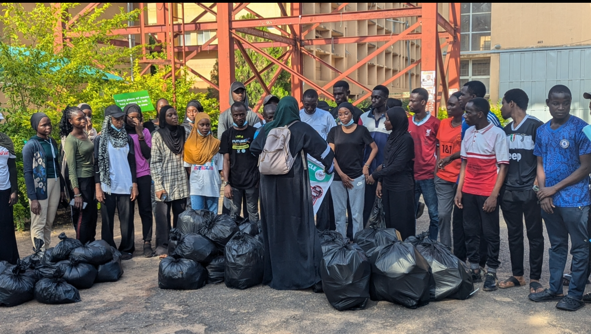
As a community volunteer, she went from house to house and mobilized her neighbors to clear the area. She explained to them the importance of ending open defecation and using toilets to prevent the spread of diseases and unpleasant smell in the environment to them.
Together, they gathered all the feces and disposed of it in a pit. Next, they set up a structure to discourage defaulters. A penalty has been placed for any parent whose child is seen defecating at Wagilawa, the open defecation site. In describing one of the major lessons she has learned, Hajo says, “You need to work with people to achieve good sanitation and hygiene”. She remains hopeful that everyone in her community will have access to a toilet and enjoy the benefits of living in a clean environment.
GHI continues to educate communities on the importance of positive sanitation and hygiene practices and empower communities to adopt sustainable behavior change.