
What We've Done
Our Programs
Through a blend of innovative projects and community-driven approaches, GHI develops and implements sustainable solutions in water, energy, urban
resilience, and climate action, equipping communities with the tools,
knowledge, and support needed to promote sustainable practices, improve livelihoods, and foster environmental stewardship for a resilient future!
I-WASH
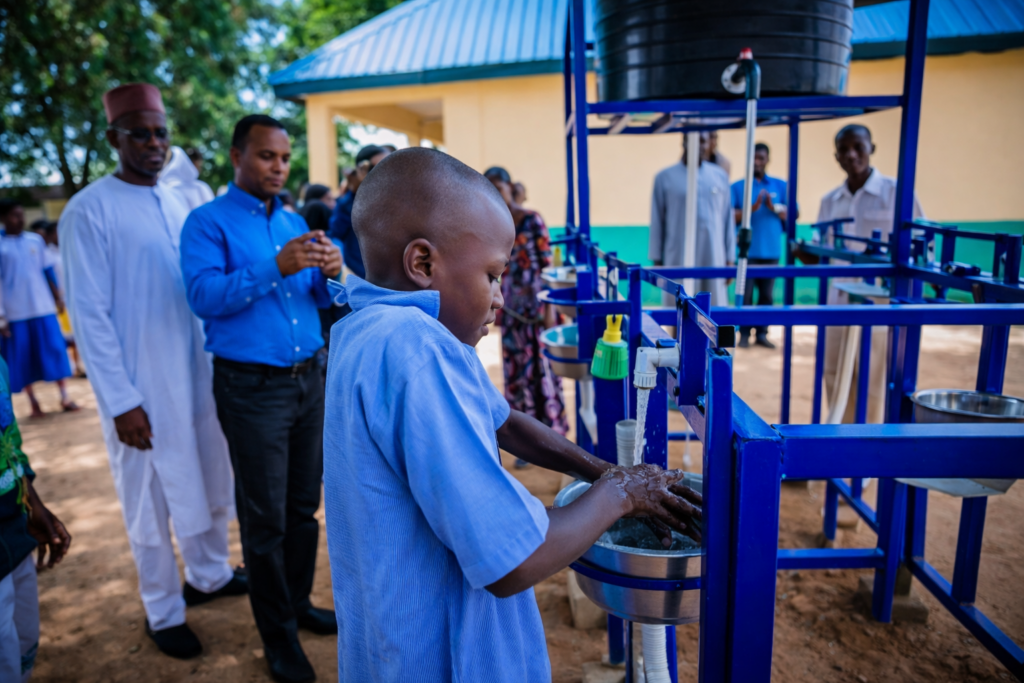
The Improved Sustainability of Integrated WASH Services (I-WASH) Project was implemented to address severe gaps in access to clean water, sanitation, and hygiene services in underserved communities, schools, and health centres in Kebbi and Sokoto States, where WASH indicators ranked among the lowest in Nigeria. Funded by the United States Agency for International Development (USAID) and implemented by Green Habitat Initiative as the primary implementing partner between February 2021 and May 2023, the project adopted an integrated and participatory approach that combined WASH infrastructure development with watershed management, hygiene promotion, and systems strengthening. GHI constructed 19 solar-powered boreholes, rehabilitated 27 non-functional boreholes, and delivered sanitation and hygiene facilities across five LGAs, directly reaching over 77,000 beneficiaries. The project also introduced remote monitoring technology for water facilities, strengthened the capacity of state and local WASH institutions, and supported the development of watershed best management practices that informed state-level planning and budget allocations in both Kebbi and Sokoto States. Through strong collaboration with government agencies, communities, and sector stakeholders, the I-WASH Project improved access to safe water, reduced waterborne disease risks, and laid the foundation for sustainable and climate-resilient WASH service delivery
Full Description
×
I-CONS
The I-WASH Continuity and Sustainability (I-CONS) Project was launched by Green Habitat Initiative as a self-funded initiative to safeguard and extend the gains achieved under the USAID-funded I-WASH Activity in Kebbi and Sokoto States. Designed as a sustainability-focused intervention rather than a contractual extension, I-CONS strengthens long-term WASH service delivery by supporting community-based Water, Sanitation and Hygiene Committees (WASHCOMs), reinforcing local social enterprises, and enhancing digital monitoring systems for water infrastructure. Key activities include the upgrade of the Pumpview GIS-enabled borehole monitoring system to improve reliability and preventive maintenance, capacity support to WAMSS in Kebbi State and FISTECH Nigeria Limited in Sokoto State to deliver subscription-based maintenance services, and advocacy engagements with state and local governments to secure funding for routine monitoring and sanitation improvements. Through these efforts, communities have strengthened ownership of WASH facilities, improved maintenance practices, and advanced toward Open Defecation Free (ODF) certification. The I-CONS Project reflects GHI’s commitment to sustainability, local ownership, and systems strengthening, ensuring that investments made under I-WASH continue to deliver lasting health, sanitation, and water access benefits across beneficiary communities.
EMSAS
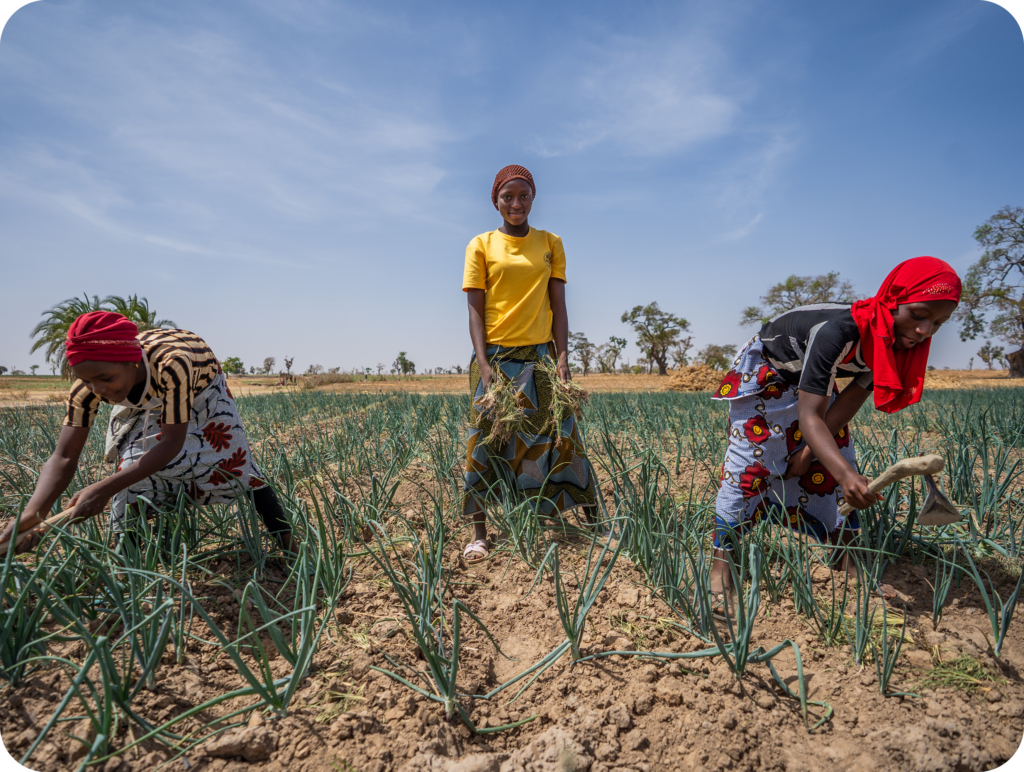
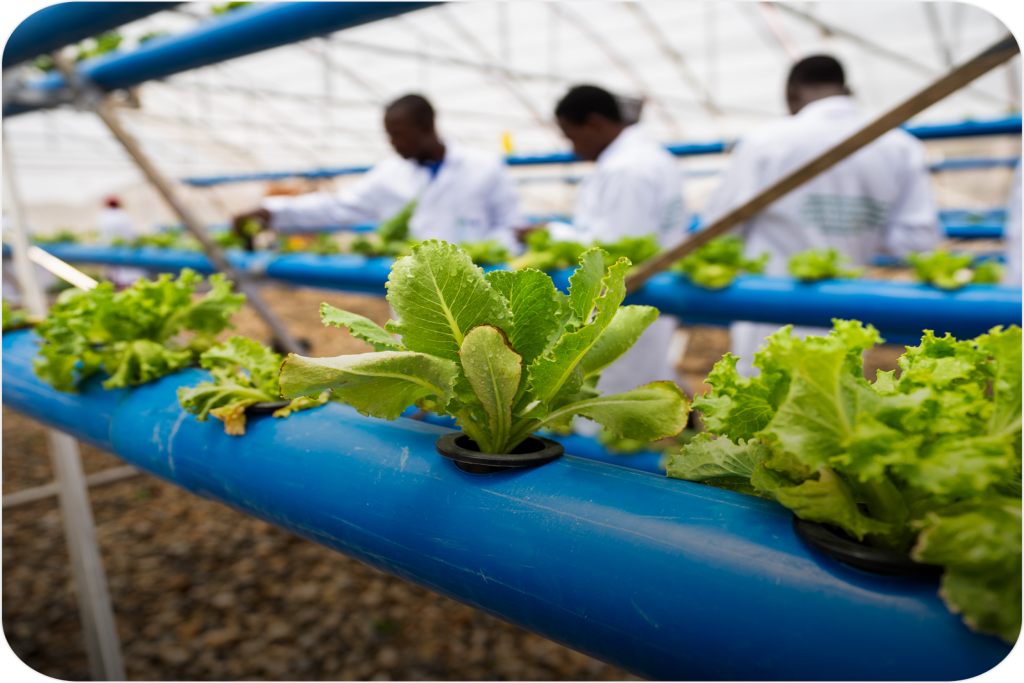
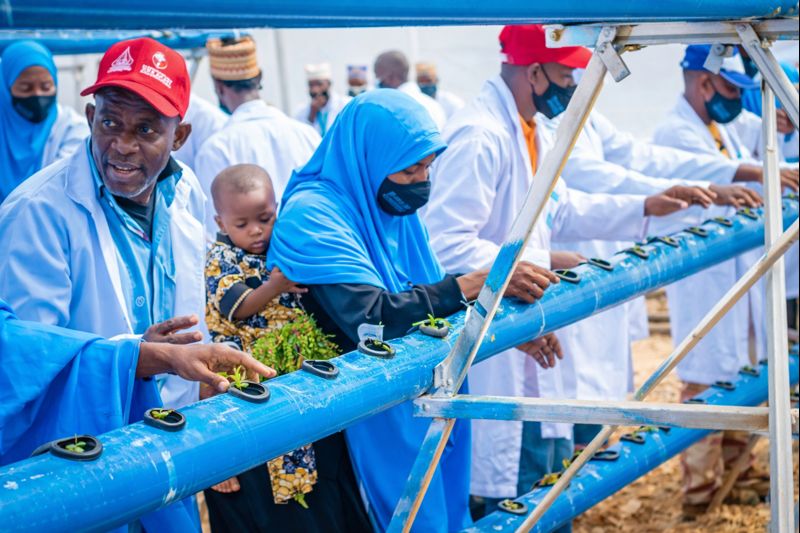
The Empowering Communities with Sustainable Agricultural Systems (EMSAS) Project was designed to address the interconnected challenges of climate change, food insecurity, and conflict affecting agricultural livelihoods in Kubau Local Government Area of Kaduna State. Funded through the European Union’s Multi-Annual Indicative Programme (2021–2027) for Peace, Stability, and Conflict Prevention and implemented in partnership with the Climate Technology Centre and Network (CTCN), Green Habitat Initiative serves as the National Implementing Entity (NIE) for this 12-month technical assistance project running from May 2024 to April 2025. EMSAS pilots a solar-powered hydroponics system that enables climate-resilient food production in controlled environments, reducing dependence on rainfall, land availability, and exposure to conflict-related disruptions. The project integrates baseline assessments, gender analysis, hands-on training, construction of hydroponics facilities, community engagement, and conflict mitigation measures, including the establishment of Early Warning and Early Response (EWER) systems. Through strong collaboration with government agencies, research institutions, women farmer groups, and local authorities, EMSAS is strengthening agricultural resilience, promoting climate-smart technologies, enhancing food security, and fostering social stability. The project serves as a scalable model for sustainable and conflict-sensitive agricultural transformation in Nigeria
RANETA
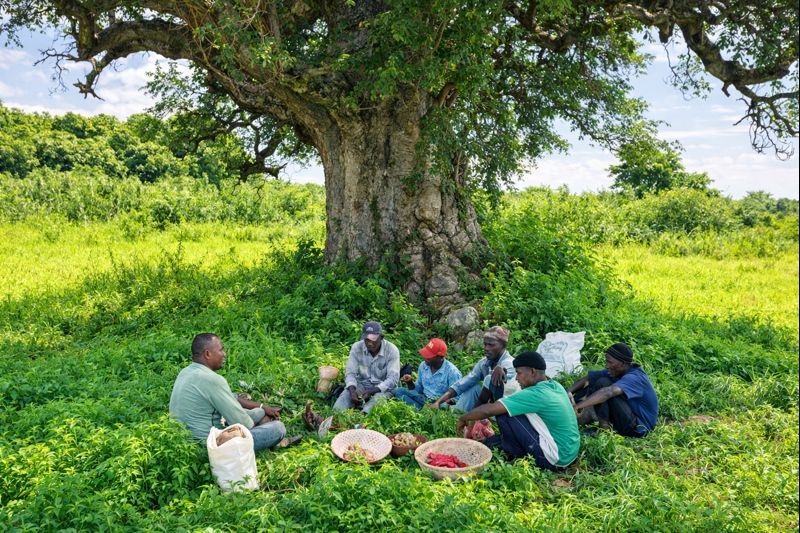
The Radio-Internet Climate Technology for Agricultural Resilience (RANETA) Project was designed to address the limited access to timely, reliable, and locally relevant climate information faced by smallholder farmers in rural Kebbi State, where climate variability, flooding, and erratic weather increasingly threaten agricultural productivity and livelihoods. Funded by the Adaptation Fund Climate Innovation Accelerator (AFCIA) through the United Nations Environment Programme–Climate Technology Centre and Network (UNEP-CTCN), and implemented by Green Habitat Initiative as a technical assistance to the Nigerian Meteorological Agency (NiMet) from March 2024 to August 2025, RANETA leverages the combined power of radio and internet technologies to improve the dissemination of agrometeorological information. The project involves stakeholder mapping, system diagnostics, the design and development of an integrated climate information dissemination system, capacity building for state actors and users, and pilot testing to ensure usability and sustainability. Through strong collaboration with NiMet, the National Council on Climate Change (NCCC), state ministries, farmers’ associations, and development partners, RANETA is strengthening early warning systems, improving farmers’ decision-making, promoting climate-smart agricultural practices, and enhancing food security and climate resilience. Project activities and milestones are documented through workshops, system design visuals, stakeholder engagements, and field-based media
Make a Difference By Your Own Hands
Become part of our volunteer network and support impactful programs through your skills, time, and commitment to positive change.